
From the first moments news broke, the mood in global finance was tense, with markets rattling over Donald Trump’s sudden move into Venezuela’s oil heartland and what it could mean for money, power, and global balance.
What actually happened
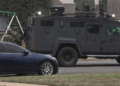
Reports say US forces moved into Venezuela, captured President Nicolas Maduro, and placed the country’s oil future under American control. This alone is enough to shake confidence. Venezuela sits on some of the largest oil reserves in the world, yet years of sanctions, bad leadership, and decay have left production weak.
The US is stepping in and will manage things until a new order is in place. Details are thin. The speed of the action surprised many, including traders who were not even active when the news broke.
Why markets hate surprises
Markets can handle bad news better than sudden news. This move was sudden. Investors woke up to a world that looked different from the night before.
Any action that mixes military force, oil supply, and global politics creates fear. Fear pushes people away from risk. When fear rises, money runs to safety. That is why gold often jumps, and stocks often shake in moments like this.
Oil hope, oil fear
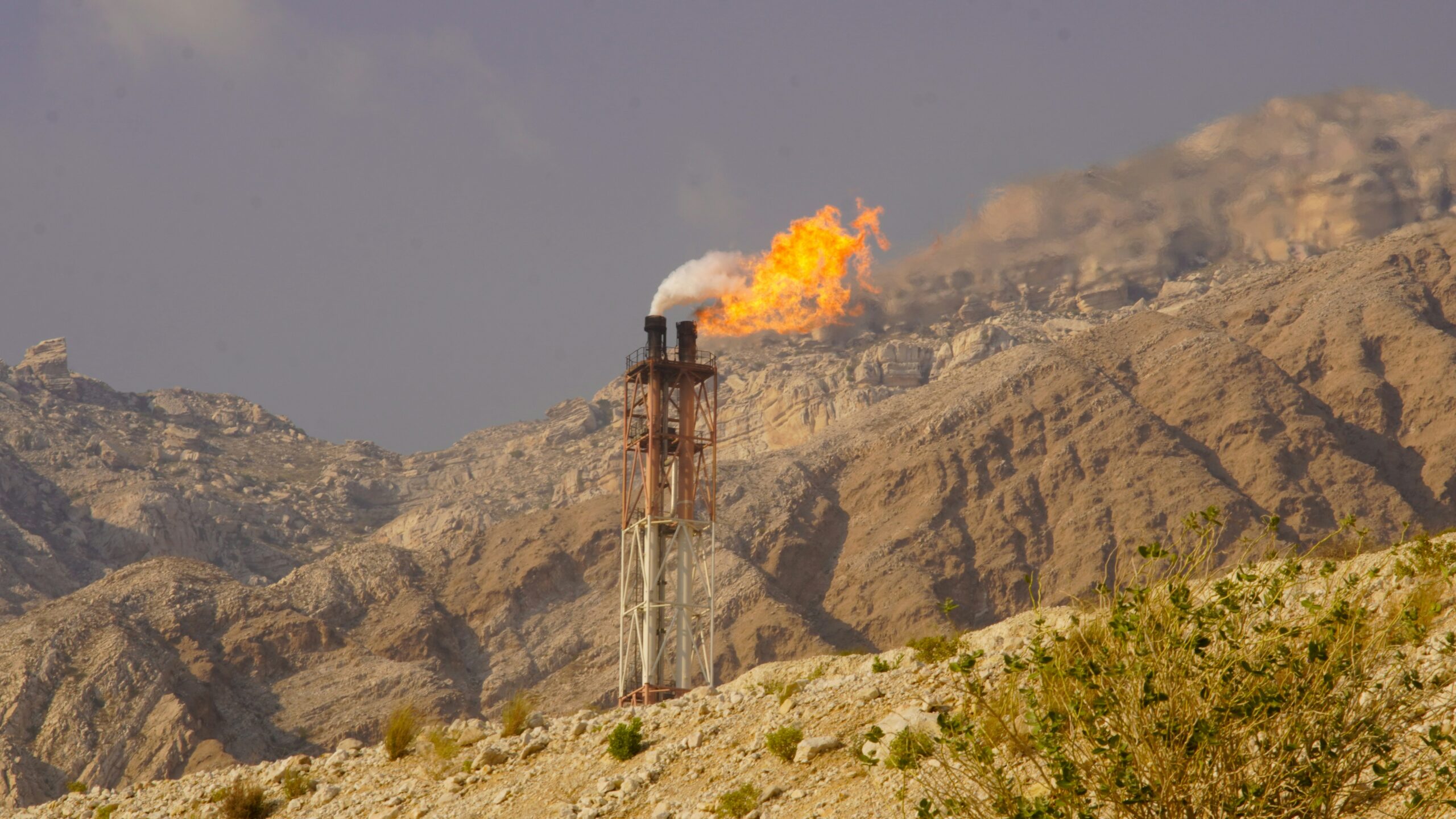
There are two sides to the oil story. On one hand, some investors see an opportunity. If Venezuela’s oil fields are repaired and opened, supply could rise, and prices could fall. Cheaper energy helps growth.
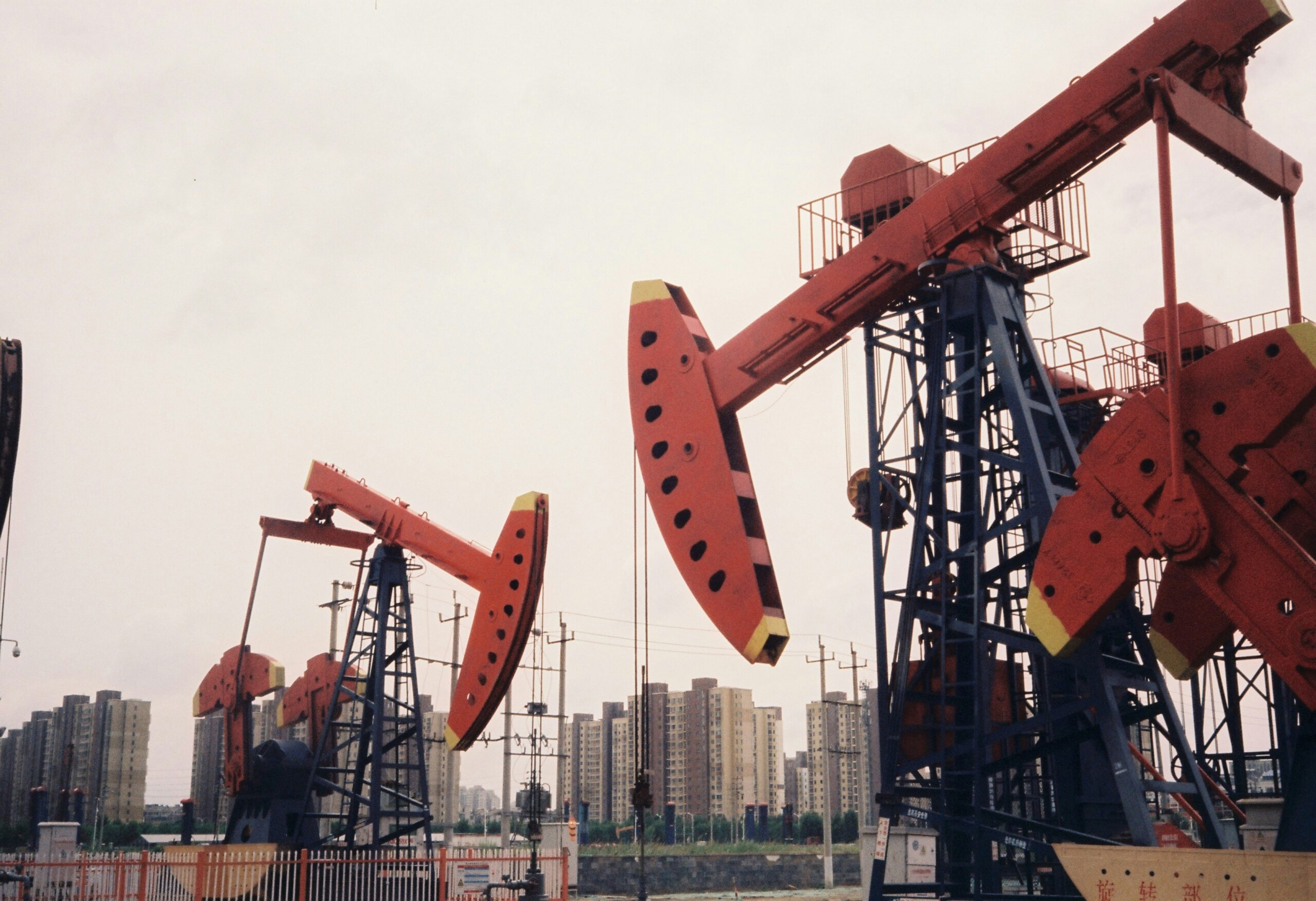
On the other hand, fixing Venezuela’s oil industry is not quick or easy. Pipes are old. Facilities are damaged. Trust is low. Security is shaky. Big oil companies will not rush in without strong guarantees. That is why oil prices did not crash. The promise is long-term, not now.
Short-term panic, long-term questions
In the short term, traders prepare for shock. Currencies may swing. Stocks may fall. Bonds and gold may gain. This is normal behavior when the world feels unstable.
In the long term, the questions are bigger. Can the US really manage another country without chaos? Will this move push other nations to protect themselves more aggressively? Will this weaken global rules or strengthen raw power politics?
America’s power signal
This action sends a loud message: the US is willing to act alone and fast. Some allies may feel safer. Others may feel nervous. When power is used openly, it reminds smaller nations that rules can bend.
For the dollar, this creates mixed feelings. It is still a safe place in crises, but repeated shocks can slowly weaken trust over time.
Even without this intervention, Venezuela was already broken. Its debt is huge. Its economy is damaged. Its people are tired. Oil alone will not fix this. Without stability and honest leadership, money will not stay. Any real recovery would take years, not months. That is something markets understand, even if politicians pretend otherwise.