
The World Health Organization (WHO) has warned that the ongoing conflict in the Middle East is severely disrupting the delivery of medical supplies and putting additional pressure on already fragile health systems across the region.
In a statement released on Wednesday, the global health body said that more than 10 days after the fighting began, the humanitarian situation continues to deteriorate as casualties rise, people are forced from their homes, and access to essential healthcare services becomes increasingly limited.
The organisation noted that the violence has resulted in significant loss of life and widespread injuries in several affected countries.
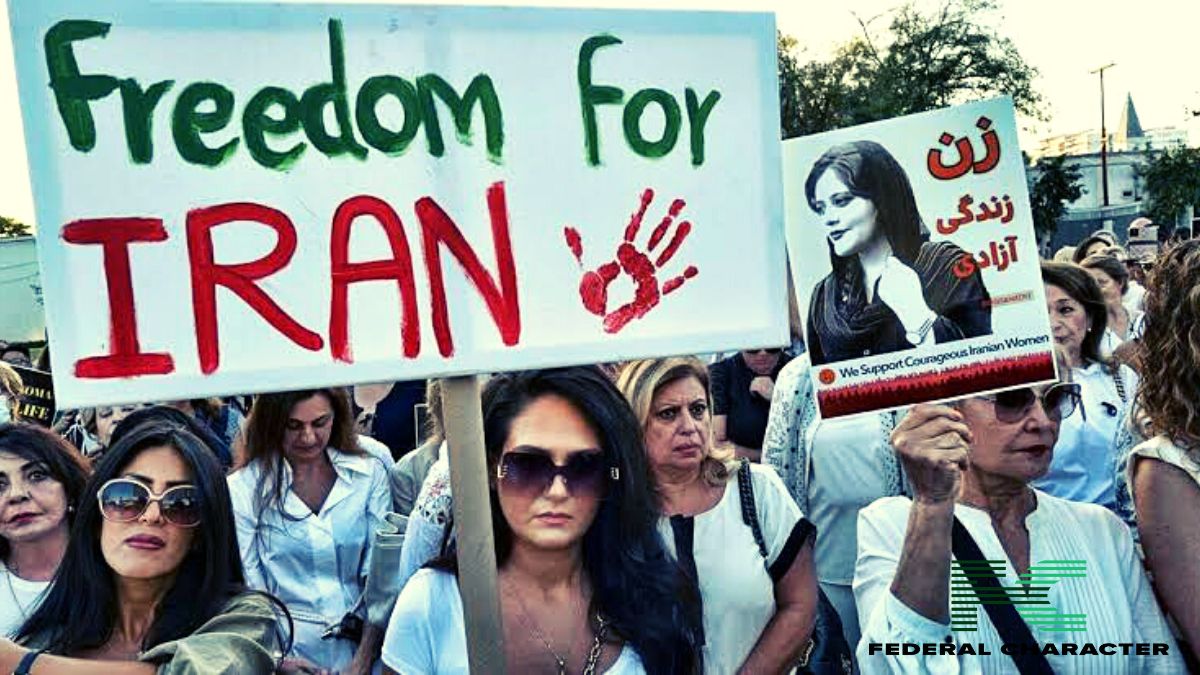
“National health authorities in Iran report more than 1300 deaths and 9000 injuries, and in Lebanon report at least 570 deaths and more than 1400 injuries. In Israel, authorities report 15 deaths and 2142 injuries,” the statement reads.
“At the same time, the conflict is affecting the very services meant to save lives.”
According to WHO, healthcare facilities and workers have also been directly affected by the violence.
“In Iran, the WHO has verified 18 attacks on health care since 28 February, resulting in 8 deaths among health workers. Over the same period in Lebanon, 25 attacks on health care have resulted in 16 deaths and 29 injuries.”
The agency stressed that such attacks not only cause fatalities but also deny communities access to critical medical care during emergencies.
“Health workers, patients and health facilities must always be protected under international humanitarian law.”
Beyond the immediate violence, WHO warned that the conflict is creating serious public health risks due to widespread displacement and poor living conditions.
“Current estimates indicate more than 100 000 people in Iran have relocated to other areas of the country due to insecurity, and up to 700 000 people have been internally displaced in Lebanon, with many in crowded collective shelters under deteriorating public health conditions, with limited access to safe water, sanitation and hygiene,” the organisation said.
“These conditions increase the risk of respiratory infections, diarrhoeal diseases, and other communicable illnesses, especially for the most vulnerable populations, such as women and children.”
The organisation also said that airspace restrictions in parts of the region have disrupted the transportation of emergency medical supplies from its global logistics hub in Dubai. This has delayed more than 50 shipments meant to support over 1.5 million people across 25 countries.
“Current priority shipments include supplies planned for Al Arish, Egypt, to support the Gaza response, as well as Lebanon and Afghanistan,” the statement said.
“The first shipment, containing cholera response supplies for Mozambique, is expected to depart from the hub in the coming week.”
WHO noted that the escalation is occurring at a time when humanitarian needs in the Eastern Mediterranean region were already among the highest worldwide.
The organisation warned that without stronger support and protection for healthcare services, the humanitarian situation could worsen further.
“Without protection for health care, sustained humanitarian access and stronger financial and operational support for the humanitarian health response, the strain on vulnerable populations and already fragile health systems will continue to grow.”
The global health body called on all parties involved in the conflict to safeguard civilians and healthcare facilities while pursuing steps to de-escalate tensions and restore stability in the region.