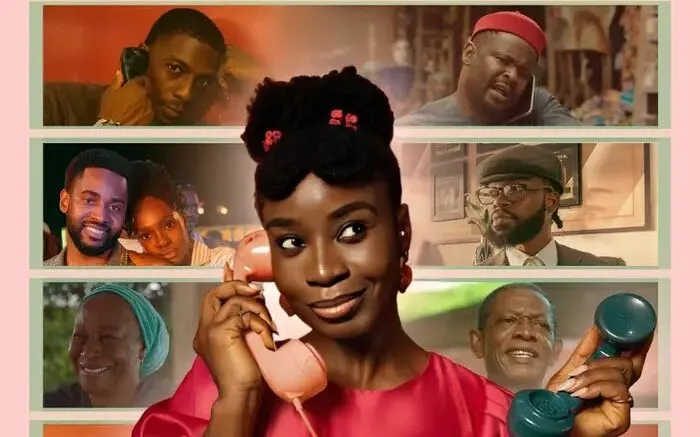

Nollywood’s romantic comedy space continues to evolve, and Call Of My Life arrives as one of those 2026 releases that leans more into feeling than complexity. Instead of relying on heavy twists or dramatic shocks, the film chooses a softer route, building its impact through chemistry, mood, and visual storytelling. The result is a movie that feels light on the surface but emotionally engaging in its execution.
Directed by Dammy Twitch and produced by Blessing Uzzi, the film benefits strongly from a cinematic style influenced by music video aesthetics. Every frame is carefully composed, giving the story a polished, almost dreamy appearance that enhances its romantic tone. Starring Uzoamaka Power and Andrew Bunting, the film also builds much of its strength on the natural connection between its leads, which becomes the emotional backbone of the entire narrative.
A Love Story Built on Emotional Recovery and Unexpected Connection
At the heart of Call Of My Life is Soluchi, a young woman trying to rebuild her emotional world after a painful breakup. Her past relationship with Kalu left her guarded and uncertain, forcing her to navigate life with a mix of caution and quiet vulnerability. She is not presented as someone who has completely shut down emotionally, but rather someone learning how to trust again while still carrying emotional residue from her past.
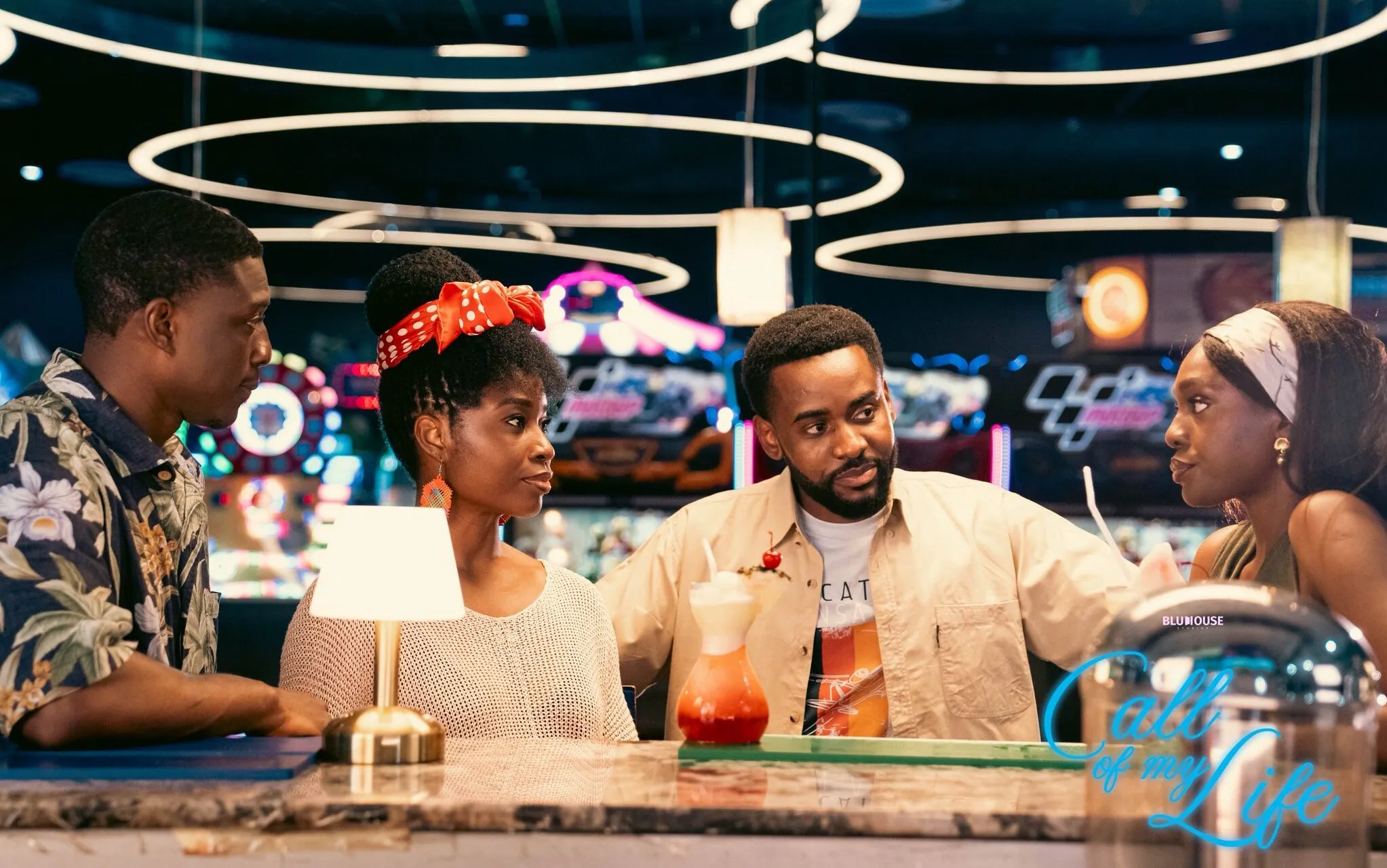
Her life takes a gentle turn when a work-related phone call introduces her to Eli, a calm and composed man whose presence gradually begins to shift her emotional direction. What starts as a simple professional interaction slowly evolves into something more personal and meaningful. The film allows this transition to breathe, avoiding rushed romance and instead focusing on small moments that build connection over time.
This slow emotional development is one of the film’s strongest storytelling choices, as it makes the relationship feel grounded and believable.
A Director’s Visual Signature Shapes the Film’s Identity
One of the most defining aspects of Call Of My Life is its visual language. Dammy Twitch brings a strong stylistic identity to the film, clearly influenced by his background in music video production. The camera work is clean, the framing is intentional, and the colour grading leans toward soft, vibrant tones that enhance the romantic atmosphere.
Certain scenes, particularly the outdoor and playground sequences, stand out for their lively composition and visual clarity. These moments are not just visually appealing but also emotionally aligned with the film’s tone, reinforcing the sense of joy and discovery in the characters’ journey.
Lagos is also presented in a softened light, almost romanticised through the lens of the camera. Everyday environments are transformed into aesthetically pleasing spaces that reflect the emotional state of the characters rather than just their physical surroundings.
Production design plays an equally important role. From Soluchi’s personal space to her family’s village home, each environment is designed to reflect contrast. These visual differences subtly highlight her emotional duality, showing the tension between where she comes from and who she is becoming.
Performances That Anchor the Emotional Core
The cast delivers performances that help elevate the film beyond its simple storyline. Uzoamaka Power stands out as Soluchi, bringing a natural charm and emotional openness to the role. Her performance feels effortless, with expressions and body language that fully align with her character’s personality. She carries both the playful and vulnerable aspects of Soluchi with balance, making her easy to connect with as a lead.
Andrew Yaw Bunting, playing Eli, complements her performance with a calm and steady presence. His character is more restrained, which creates a nice contrast to Soluchi’s expressive nature. While Eli’s character could have benefited from deeper development, Bunting’s performance ensures he remains engaging and believable throughout.
Supporting performances also add flavour to the film. Nkem Owoh and Patience Ozokwor bring comedic relief in a way that feels controlled and natural rather than exaggerated. Their presence adds warmth to the story without overshadowing its emotional core.
Justin Ugonna delivers a surprisingly strong debut performance, showing confidence and ease on screen. Beverly Osu also provides emotional balance as a supportive friend, grounding some of the film’s more romantic moments with realism.
Styling, Dialogue, and Emotional Accessibility
Costume design in Call Of My Life is more than aesthetic decoration; it contributes to character storytelling. Soluchi’s wardrobe is vibrant, expressive, and playful, reflecting her emotional openness and individuality. Each outfit reinforces her personality, making her visually consistent throughout the film.
Eli’s wardrobe, by contrast, is simple and understated. This reflects his calm and emotionally reserved nature, creating visual harmony between character and personality.
The dialogue in the film is another strong point. Conversations feel natural, especially in romantic exchanges, where the writing avoids unnecessary exaggeration. There is a softness in the dialogue that allows emotional moments to feel genuine rather than forced. The inclusion of Igbo phrases and expressions also adds cultural texture, making interactions feel more authentic.
The film’s relatability is perhaps one of its strongest emotional anchors. It speaks directly to viewers who have experienced heartbreak, hesitation, or the fear of loving again. Soluchi’s emotional journey mirrors real-life struggles with vulnerability and trust, making her story easy to connect with on a personal level.
Where the Story Loses Momentum
Despite its strengths, Call Of My Life is not without weaknesses. The most noticeable issue is the lack of depth in Eli’s character. While Soluchi is fully developed with emotional history and personal context, Eli remains somewhat underexplored. His backstory and personal journey are not clearly defined, making him feel more like a narrative support system than a fully rounded character.
Some subplots also suffer from weak transitions. The workplace storyline involving Soluchi’s firing and later promotion feels abrupt and insufficiently explained. The progression lacks clarity, making it difficult to fully understand how or why certain decisions were made within that narrative space.
Another unresolved thread is Ezekiel’s hearing impairment storyline. Introduced with potential emotional weight, it is ultimately left underdeveloped and does not fully connect with the broader narrative, leaving a sense of incompleteness.
Final Impression
Call Of My Life is a visually appealing romantic comedy that thrives on chemistry, mood, and emotional simplicity. It does not aim to reinvent the genre but instead focuses on delivering a warm, engaging, and visually rich love story.
Dammy Twitch’s direction gives the film its strongest identity, while the cast brings sincerity and emotional depth to their roles. Even with its narrative gaps, the film remains enjoyable and emotionally satisfying in its execution.