
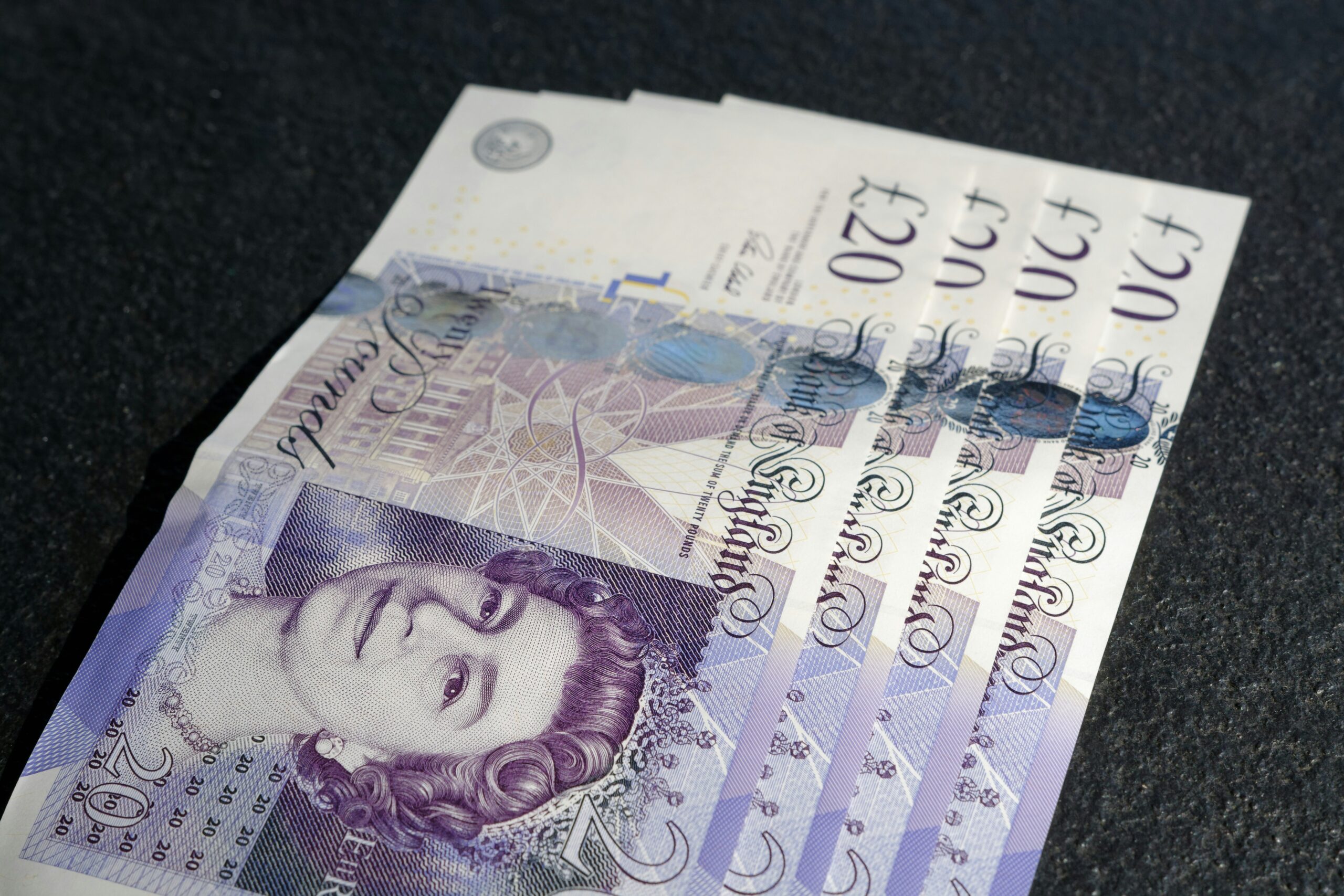
The latest rate cut confirms the UK economy is in trouble, and that is the real story behind the decision taken by the Bank of England this week. On Thursday, the central bank reduced its key interest rate to 3.75 per cent after inflation slowed faster than many people expected and signs of weakness in the economy became harder to ignore.
This did not come as a shock to the market, but it says a lot about where Britain really is right now. When a country starts cutting rates again and again, it is usually because growth is weak and confidence is low.
Why the Bank Acted Now
The Bank of England said inflation has passed its recent peak and is still falling. According to Governor Andrew Bailey, this gave the bank room to ease borrowing costs. Official data showed inflation slowed to 3.2 per cent in November, better than forecasts.
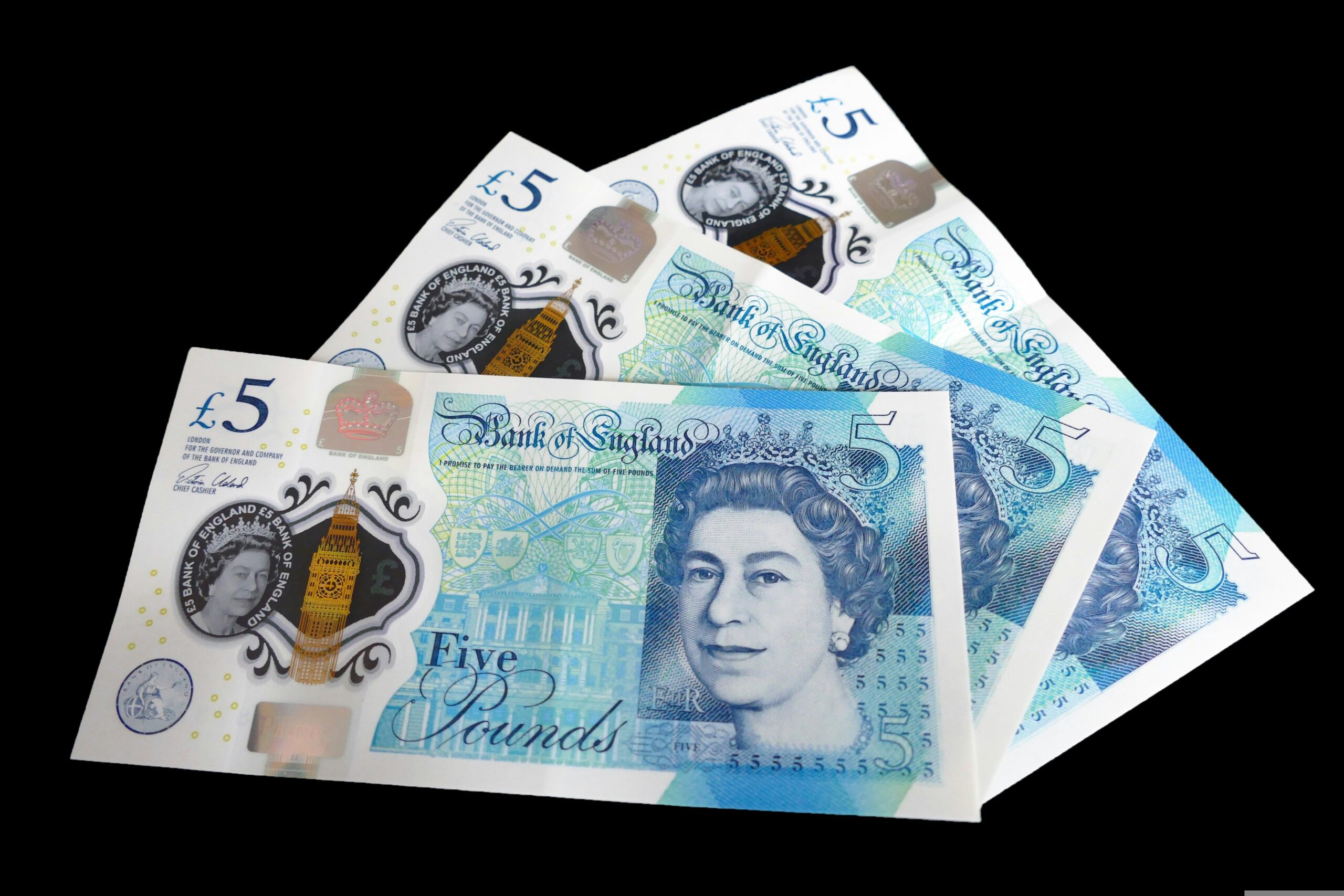
Lower inflation is meant to mean relief for households. But in reality, the rate cut confirms the UK economy is in trouble because inflation is falling at a time when growth is already weak. Prices are cooling, not because the economy is strong, but because demand is soft.
A Divided Decision
The decision was not smooth inside the Bank. Five members voted for the cut, while four wanted rates held at 4.0 per cent. That close vote shows uncertainty at the top.
Bailey himself admitted that while rates are expected to keep going down, every new cut makes the next decision harder. This tells us the Bank is worried about doing too much, but also worried about doing too little.
What It Says About the Economy
This is now the sixth rate cut since the trimming cycle began in August 2024. That alone should raise concern. Central banks do not cut rates this often when an economy is healthy.
Growth in the UK has been slow, and there are no clear signs of a strong recovery ahead. Investment is weak, businesses are cautious, and many households are still struggling with the cost of living. In this context, the rate cut confirms the UK economy is in trouble rather than showing strength.
Pressure on the New Government
The decision also eases some pressure on Prime Minister Keir Starmer, whose government has found it hard to turn things around since coming into power in July 2024. Lower rates can help borrowing and spending, but they cannot fix deep structural problems on their own.
Finance minister Rachel Reeves welcomed the cut, but she also admitted that more needs to be done to help families. Her earlier tax increases on businesses were widely blamed for hurting growth and pushing up unemployment. Later tax hikes on workers have not helped confidence either.
Who Really Benefits
Lower interest rates can help people take loans, especially those with mortgages. Monthly payments may fall, giving some breathing space. Businesses may also find borrowing slightly cheaper.
But there is another side. Savers will earn less on their deposits, and many pensioners depend on those returns. Retail banks usually pass rate cuts straight to customers, so the pain is spread unevenly.
Global Context Matters
While the UK is cutting, the European Central Bank is expected to hold rates steady again as eurozone inflation stays under control. Investors are watching closely for signals on what comes next.
In Japan, the central bank is likely to raise rates as inflation remains high there. This contrast shows how different major economies are moving in opposite directions, based on their own problems.
The Bigger Picture
When you step back, the message is clear. This rate cut confirms the UK economy is in trouble, not because inflation is falling, but because growth is weak and confidence is fragile. The Bank of England is trying to balance relief with caution, but its options are limited.
Lower rates may buy time, but they are not a cure. Without stronger growth, better jobs, and stable policy, Britain risks staying stuck in this slow and uncertain phase for much longer.
Final Thoughts
The Bank of England’s move may look calm and technical, but the meaning behind it is serious. Cutting rates again is a sign of concern, not comfort. Until the economy shows real signs of life, decisions like this will keep coming, and they will keep reminding everyone that the UK still has a long road ahead.