
Russia has abruptly banned the massively popular online gaming platform Roblox, cutting off access for millions of users in a sudden shutdown that authorities blame on “inappropriate content” threatening children’s safety and the spread of extremist material, including LGBT-related topics.
The country’s powerful media regulator, Roskomnadzor, declared the U.S.-based platform rife with content that could “negatively impact the spiritual and moral development of children,” specifically citing the presence of simulated terrorist attacks, gambling, and information related to LGBT issues, which are classified as extremist under Russian law. The move immediately blocks one of Russia’s most downloaded mobile games, a platform known for its user-generated content that has long posed regulatory challenges globally.
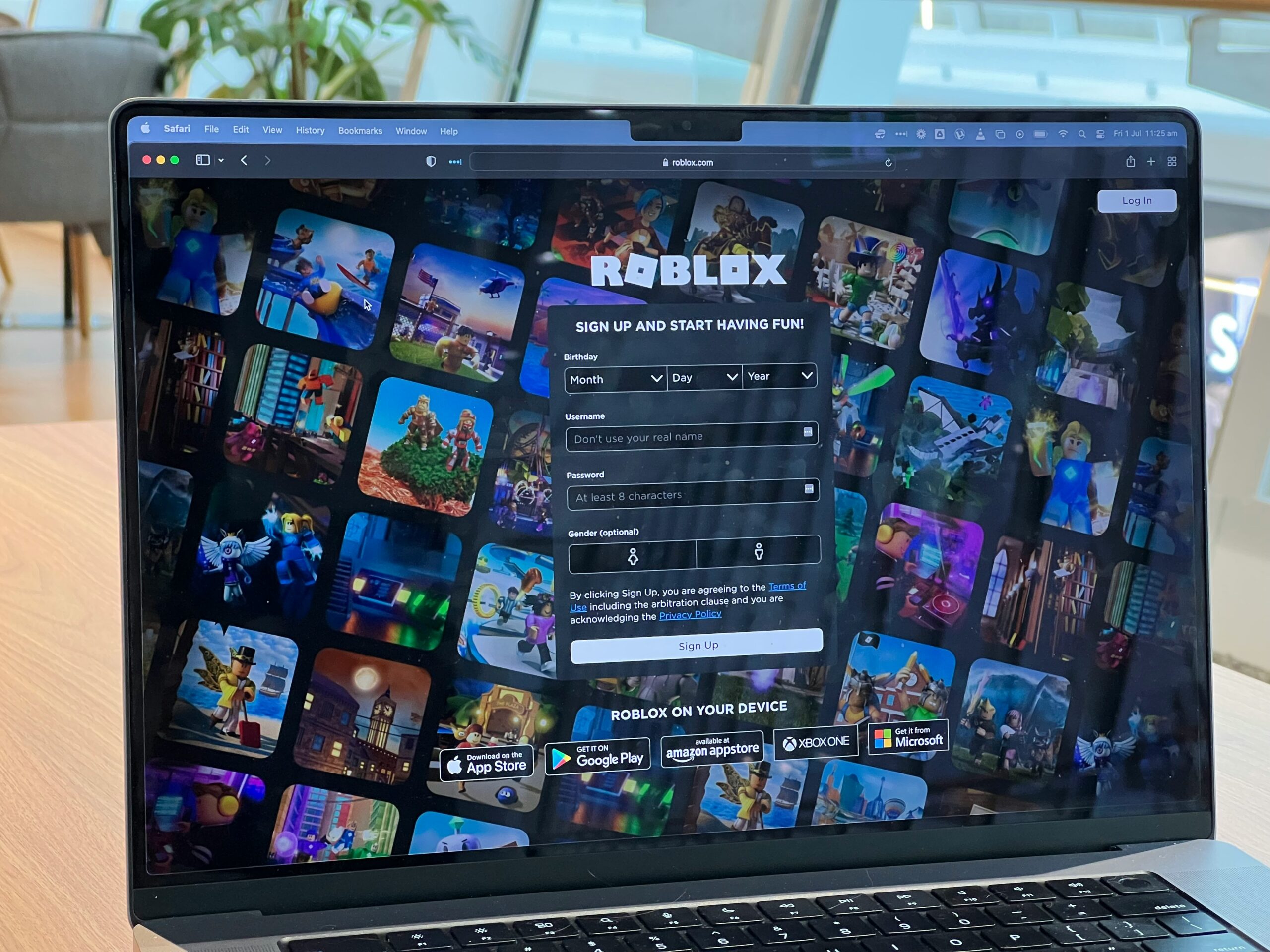
Roblox, responding to the ban, stated it respects local laws and emphasized its “deep commitment to safety,” but the Russian action follows mounting international pressure. The platform faces a lawsuit from the Texas Attorney General for allegedly “ignoring” safety laws and recently announced it would restrict child-adult chats after years of criticism over its networking features.
Why It Matters
Russia’s ban on Roblox is the latest front in the Kremlin’s war on foreign digital platforms.
For Russian children, this means the loss of a major creative and social outlet. For the Kremlin, it’s another brick in the digital wall it’s building around the country’s internet. The message is clear: any platform that operates outside the state’s rigid moral and political framework is now a target for complete blockage, no matter how popular it is.
The timing, following similar scrutiny in Singapore and legal action in Texas, allows Russia to frame its crackdown as part of a global safety conversation while advancing a distinctly domestic agenda of information control.