
Canada woke up to a kind of headline many people there are not used to seeing: ten people are dead after a shooter opened fire at a high school in Tumbler Ridge, British Columbia. The scale of the tragedy, the location, and the details coming from the police have left the country shaken.
What stands out immediately is how unusual this feels in the Canadian context. Mass shootings are far more associated with the United States, which is why many reactions online and in the media have quietly asked the same uncomfortable thing: Is Canada beginning to see the same pattern?
A Quiet Town, A Violent Night
Tumbler Ridge is not a big city. It is a remote town with a population of about 2,400 people. Snow-covered streets, pine trees, and a small secondary school with just 160 students. That setting makes the story even harder to process.
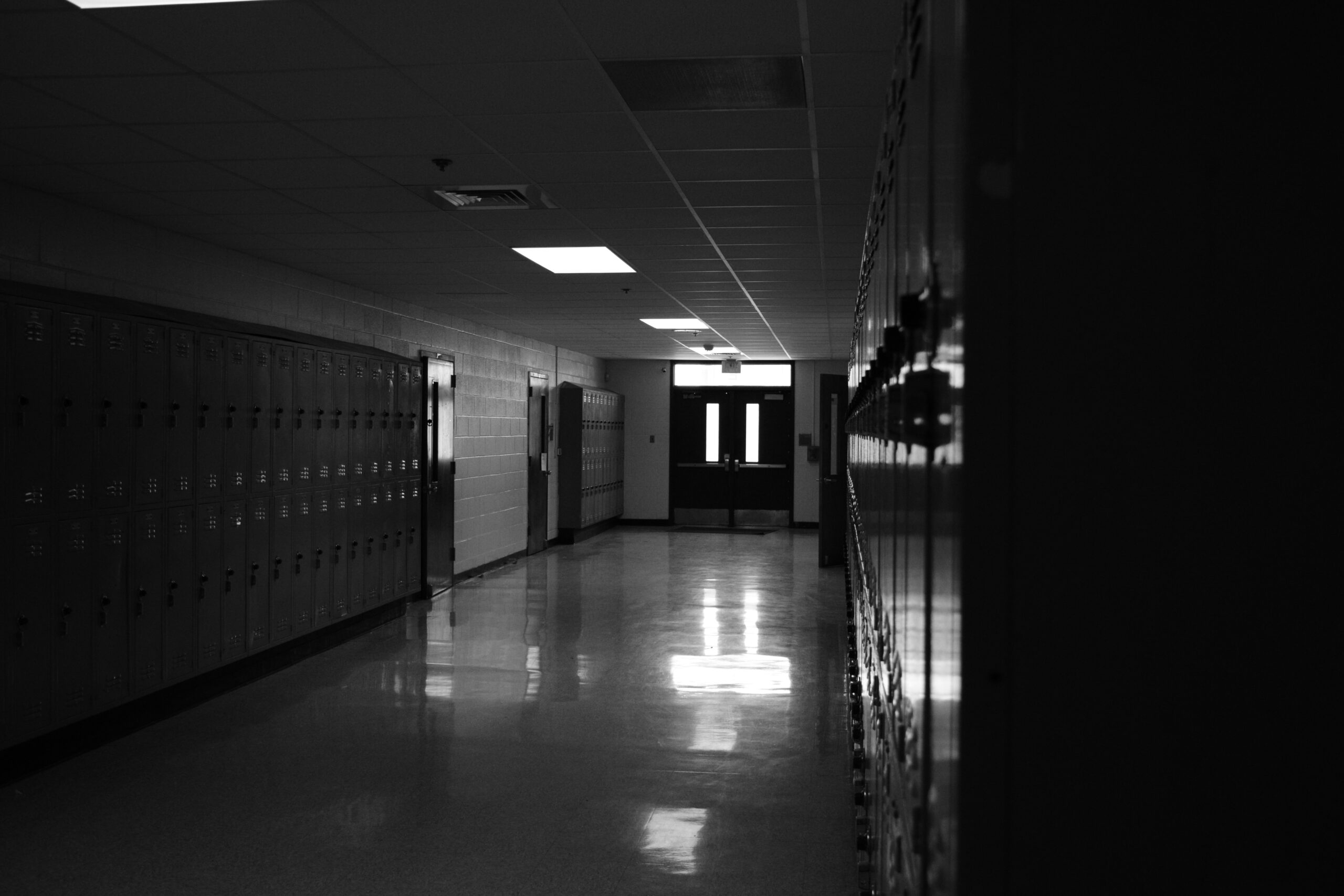
Police said six victims were found inside the high school. Two others were discovered at a nearby residence believed to be connected to the incident. Another victim died on the way to the hospital. The suspected shooter was also found dead.
For a community this small, the loss is enormous. In places like this, almost everyone knows someone affected.
What Police Have Said So Far
Authorities released limited details, but some facts are already clear.
Police described the shooter as female, identified in an active shooter alert as “a female in a dress with brown hair.” This detail alone has drawn attention because mass shootings in North America are most often carried out by men.
Officials said they do not believe there are additional suspects or any ongoing threat to the public.
At least two people remain hospitalized with serious or life-threatening injuries, while as many as 25 others were treated for injuries considered non-life-threatening.
The Question Many Are Asking
Whenever a mass shooting happens outside the United States, comparisons quickly follow.
Canada has long seen itself as different when it comes to gun violence. The country has stricter gun laws and historically lower rates of firearm-related deaths. That contrast has often been part of public debate in both countries. But incidents like this blur that line.
A Tragedy That Feels “Foreign”
British Columbia Premier David Eby summed up what many Canadians feel. He said it is the kind of thing people imagine happens “in other places and not close to home.” That reaction is telling.
In the United States, mass shootings, while still deeply shocking, have sadly become familiar. In Canada, they retain a stronger sense of disbelief. The emotional tone is different, less resignation, more stunned confusion.
Canada’s Painful History With Mass Shootings
While rare compared to the U.S., Canada is not untouched by such tragedies.
The 1989 Ecole Polytechnique shooting in Montreal remains one of the country’s most remembered attacks. In 2020, a gunman in Nova Scotia killed 22 people in a rampage that stunned the nation. Each event left scars and sparked debates about gun laws, policing, and public safety.
The Tumbler Ridge shooting now joins that list, another painful reference point in Canadian memory.
The Impact on a Small Community
In large cities, tragedy spreads across millions. In a small town, it feels intensely personal.
Schools close. Counseling services are announced. Families struggle to make sense of sudden loss. Young people, especially students, carry emotional weight that can last for years.
Officials confirmed the school will remain closed for the rest of the week, with counseling made available. Beyond official responses, there is the quieter reality: grief in homes, classrooms, and conversations.
A Difficult Conversation Ahead
It is still too early for firm conclusions. Motives are unknown. Investigations are ongoing. But what is certain is that Canada will once again face hard discussions.
Questions about gun access. Mental health. Community safety. Early warning signs. Law enforcement response.
Not because Canada is becoming the United States, but because any society confronted with repeated violence must ask what can be done differently.