

U.S. policy has sent roughly 152,600 people into Mexico since the president took office, and that number shows a harsh new reality at the border. This is not just a statistic; it is a story of families stuck on the move, of governments playing hot potato.
What actually happened
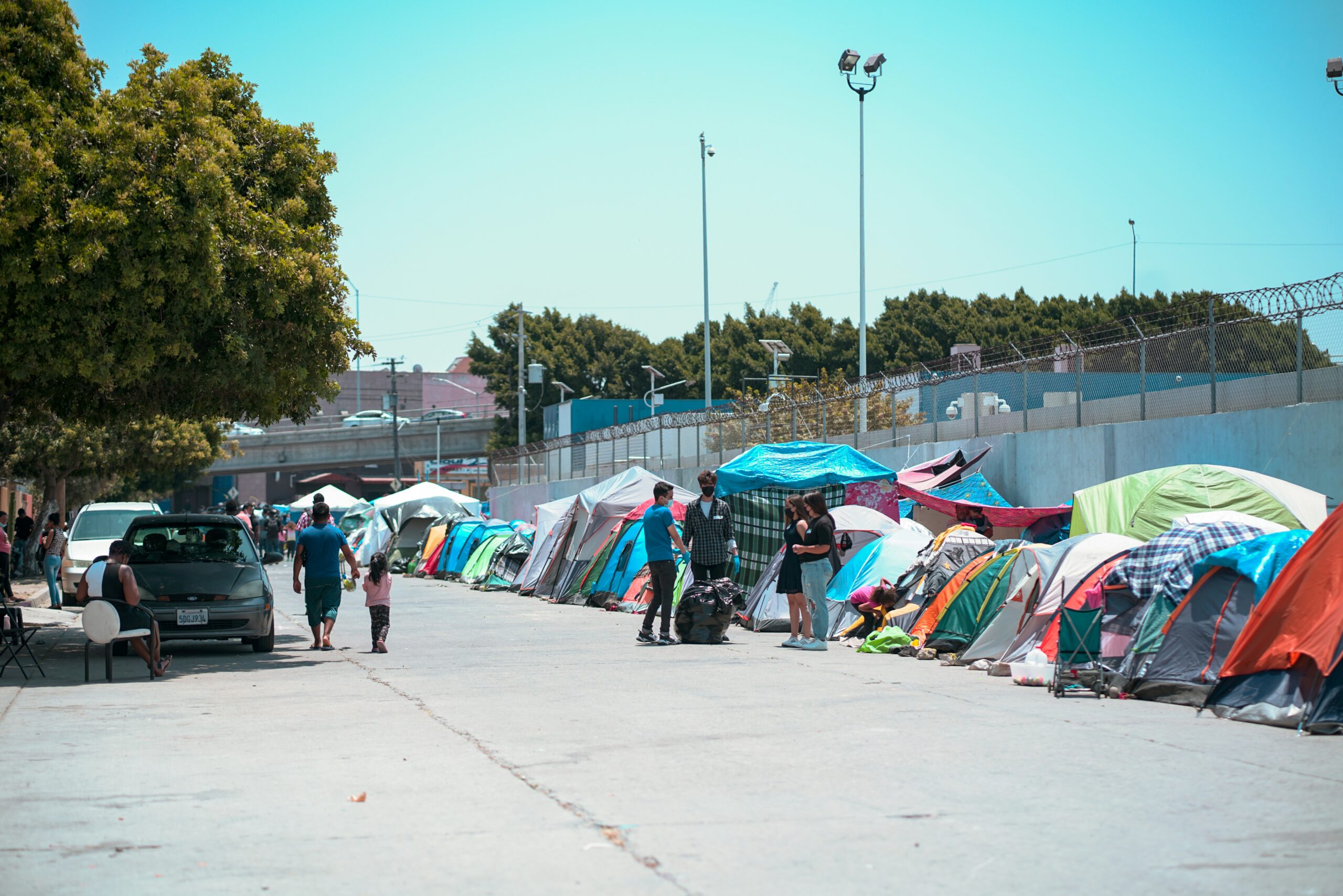
Authorities have been returning large groups of migrants to Mexico instead of allowing them to seek safety in the United States. Some returns are quick, some slow, but the result is the same: people who hoped for protection are now stranded across the border. Cities in northern Mexico are filling up with people who have nowhere safe to go.
A policy that looks like punishment
This approach treats human beings like traffic. It is meant to stop migration fast, but it also punishes people who fled violence, poverty, or persecution. Instead of fixing root causes or making a workable asylum system, officials use sending people back as a headline tool. That choice saves political face in the short term but creates chaos and suffering on both sides of the border.
How leaders play the blame game
When a leader chooses dramatic actions over steady solutions, they look decisive on TV. But this is showmanship, not leadership. Sending thousands back becomes a way to say “look, I acted” without solving the long-term problems that push people to move in the first place. Meanwhile, the country that receives the returned migrants is left to deal with camps, crowding, and broken services.
Mexico is not a safe net
Mexican cities are not prepared for such numbers. Many returned migrants are non-Mexicans who have no family or legal right to stay. Local shelters fill up, hospitals and schools strain, and the local economy feels the shock. Mexico’s government has to respond, and it will ask for more help, but help is slow and often tied to politics.
The human price
These are mothers, fathers, and children. People who hoped for a chance at safety now sleep in makeshift camps or crowded shelters. Kids miss school. Families live with constant fear. Deporting or returning people without clear and humane processing creates real human damage that does not vanish when the cameras leave.
Short-term gain, long-term cost
The immediate political effect is obvious: tough action, quick applause from some voters. But the longer costs are heavy. Border regions become unstable, international trust frays, and migrants get trapped in dangerous situations. The policy may lower some numbers for a while, but it also pushes the problem into other places and delays the harder work of a real solution.
What should be done instead
Good policy would combine fair processing, clear legal paths, and investment in safety and jobs where people come from. That means diplomatic work with regional partners, faster and fairer asylum systems, and aid aimed at the real causes of migration. It also means treating people with basic dignity, not as political tools.
There is a moral test here: do we respond with rules and respect, or do we use people as a show of power? Returning so many migrants looks like the latter. Leadership that cares about long-term stability must accept that quick fixes will only make the next wave harder to handle.
A closing thought
What we are seeing is a choice: manage migration with plans and partners, or manage it with spectacle and short-term wins. The number of people pushed back is huge, and it shows where priorities lie. If the goal is real safety and order, leaders must stop chasing headlines and start building systems that protect people and respect the rule of law.