
President Donald Trump ordered large-scale military strikes against Iran over the weekend despite private warnings from senior aides that the escalation could be difficult to contain and carry serious political risks for Republicans in November’s midterm elections, according to two senior White House officials and a Republican close to the administration.
Before the strikes, Trump repeatedly sought briefings on how the military action could allow him to project strength domestically, the officials said. Top aides cautioned that U.S. intelligence did not provide a clear guarantee that escalation could be avoided once strikes began — and that the administration risked tying its political fortunes to an unpredictable aftermath.
Trump ultimately sided with those who believed decisive action would show him as a strong leader, even if it carried long-term risks.
None of those officials expect immediate political fallout. Instead, they anticipate what one described as a “slow-burn effect” — shaped by the duration of the conflict, scope of retaliation, number of American casualties, and impact on gas prices.
The Political Math
A Reuters/Ipsos poll released Sunday showed only one in four Americans approve of the U.S. strikes that killed Iran’s leader. About half of respondents — including one in four Republicans — said they believe Trump is too willing to use military force. The poll closed before the U.S. military announced the first American casualties.
With 58% of Americans disapproving of Trump’s performance overall, Republicans will need heavy turnout among core supporters to fend off Democratic gains that could flip control of the House and possibly endanger the Republican stronghold in the Senate.
White House aides are now modeling how a prolonged military engagement, casualties, and higher fuel costs could erode public support in competitive congressional districts, the officials said. The models show dozens of swing districts where even modest voter skepticism could prove decisive — or at least force vulnerable Republican representatives to vote on thorny war-powers resolutions and answer questions about a widening conflict when they want to focus on the cost of living.
Competitive House races in Colorado, Wisconsin, and Pennsylvania are seen as far more at risk than the Senate map, the sources said.
The MAGA Dilemma
One informal Trump adviser, who has been to the White House in recent days, argued that the main electoral danger lies not with swing voters but with members of Trump’s MAGA movement — for whom non-interventionism was a key part of the president’s 2024 campaign pitch.
Many of those voters could simply stay home during the midterms, when turnout already tends to be low, the adviser said.
Interviews with Trump supporters show a movement divided. Some are willing to go along with his transformation from self-declared “peacemaker” to aggressive military tactician. Others are blindsided and wary.
“This totally blindsided me. I didn’t even know this was even being thought about,” said BJ Moore, an 83-year-old Trump voter from Atlanta. “No one wants to be involved in a war, but Iran just killed thousands of their own people, so I’m fine with what Trump did.”
But online, MAGA influencers are less forgiving. Jack Posobiec, a prominent pro-Trump commentator, wrote on X: “We didn’t vote for regime change war in Iran.” The Hodgetwins, popular conservative YouTube personalities with 2.7 million subscribers, posted a video titled: “Trump Is Starting a War With Iran (We Didn’t Vote for This).”
The Economic Contradiction
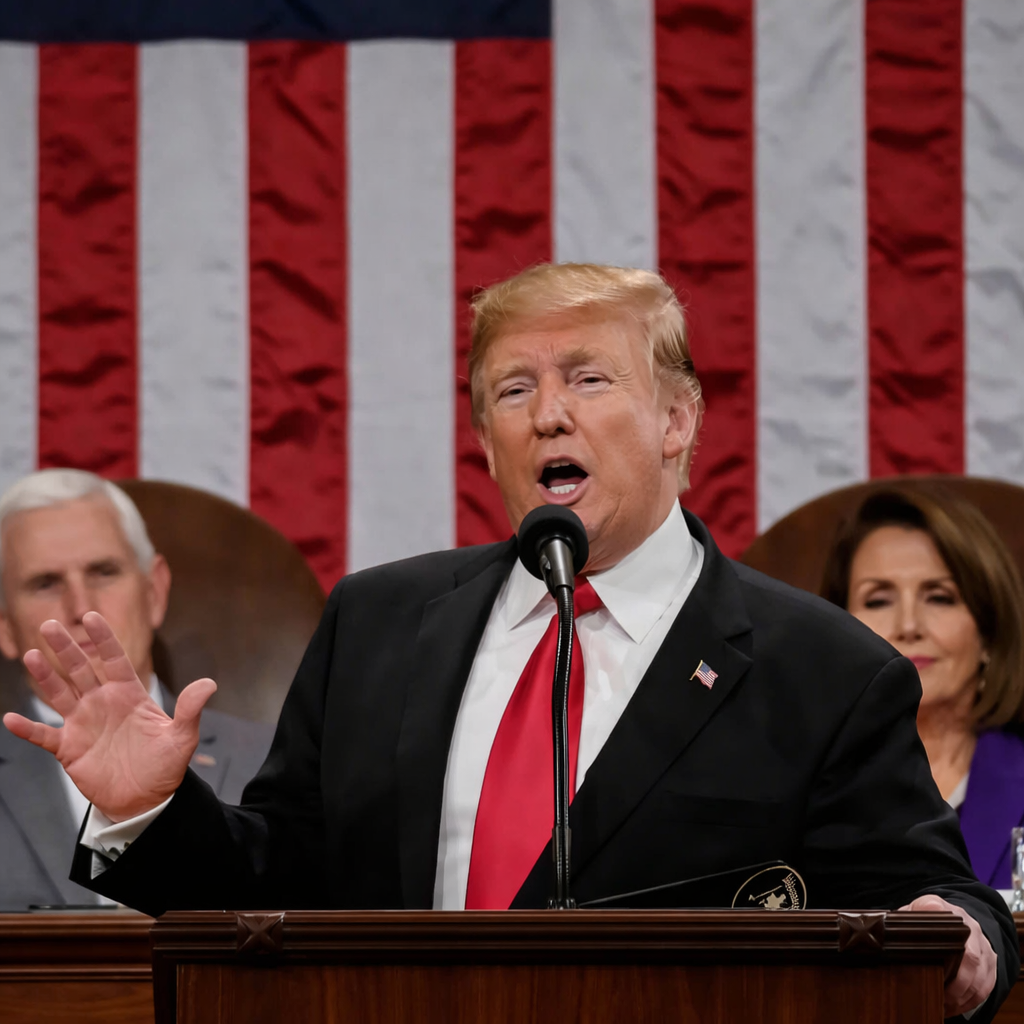
The weekend strikes underscored how quickly the White House’s carefully crafted message has unraveled. Just four days before the attack, Trump delivered a State of the Union address focused on affordability and economic issues — the topics top of mind for American voters.
“The juxtaposition between a successful State of the Union address that focused on affordability and the economic issues that voters care about and going to war in the Middle East days later is not just whiplash-inducing, it’s head-spinning,” said Rob Godfrey, a Republican strategist.
“Making midterm voters comfortable with that juxtaposition will be one of the most important things that the White House needs to undertake in the next few weeks.”
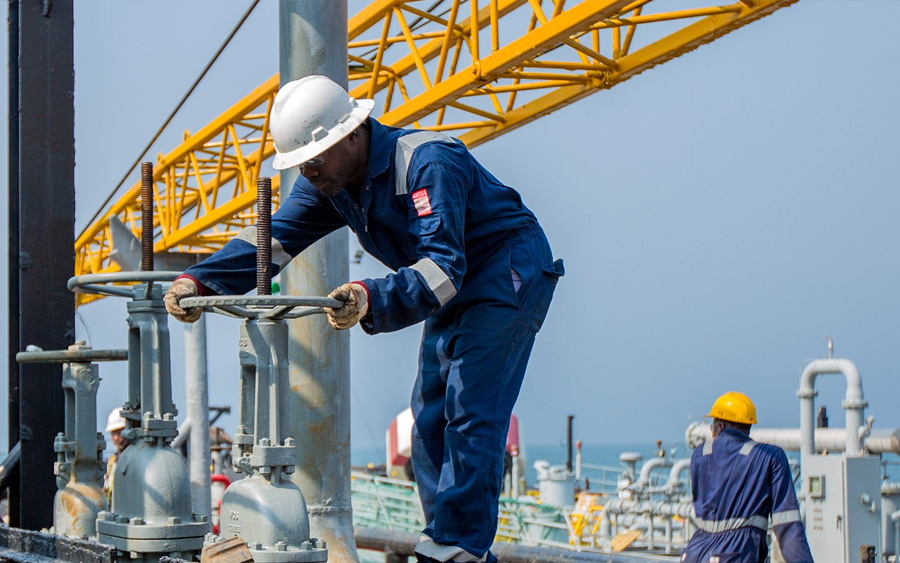
Gas prices have already begun to rise following the strikes on Saudi Arabia’s Ras Tanura refinery and the near-shutdown of shipping through the Strait of Hormuz. The national average for a gallon of regular gasoline rose to $3.76 Monday, the highest level since August 2025.
The White House Defense
White House press secretary Karoline Leavitt defended the president’s decision in a statement.
“The President’s decision to launch Operation Epic Fury is one that presidents of both parties have contemplated for more than fifty years, but none had the courage to execute,” she said.
“Right now, the White House’s main priority is working alongside the Pentagon and the interagencies to ensure the continued and ultimate success of the operation.”
Trump told interviewers Sunday the Iran operations are expected to be a four- to five-week process, and he continued to brace the country for more American deaths after the military announced three service members had been killed.
The Analyst View
A senior Republican operative working to hold onto the party’s congressional majorities said foreign intervention carries more political risk than upside for Trump. Foreign policy victories often don’t register with voters, he said — but quagmires typically do.
“Unless this operation goes bad, voters, especially for the midterms, don’t care about foreign policy,” the operative said.
Trump’s capture of Venezuelan leader Nicolás Maduro in a January raid prompted little political blowback and resulted in no American deaths. But since that operation, Trump’s approval rating dropped from 42% to 39%, according to the latest Reuters/Ipsos poll.
Analysts say a short-lived war that results in Iran giving up its nuclear program and installing new leaders would be received more positively than a protracted conflagration with many American deaths. But as one White House official put it: “We don’t control the aftermath.”
What Comes Next
The president overruled his advisers. The strikes are underway. American casualties have already been reported. Gas prices are rising. Voters are skeptical. And the midterms are eight months away.
For vulnerable Republicans in swing districts, the math is suddenly much harder. For MAGA voters who believed Trump’s promise to end “forever wars,” the cognitive dissonance is real. And for the White House, the “slow burn” has just begun.