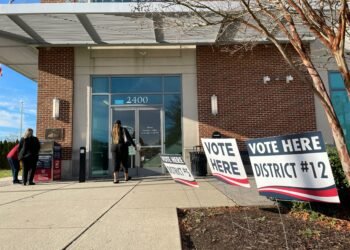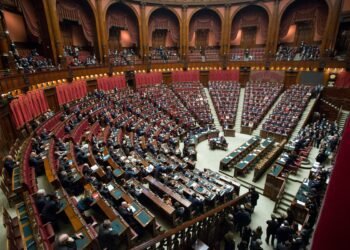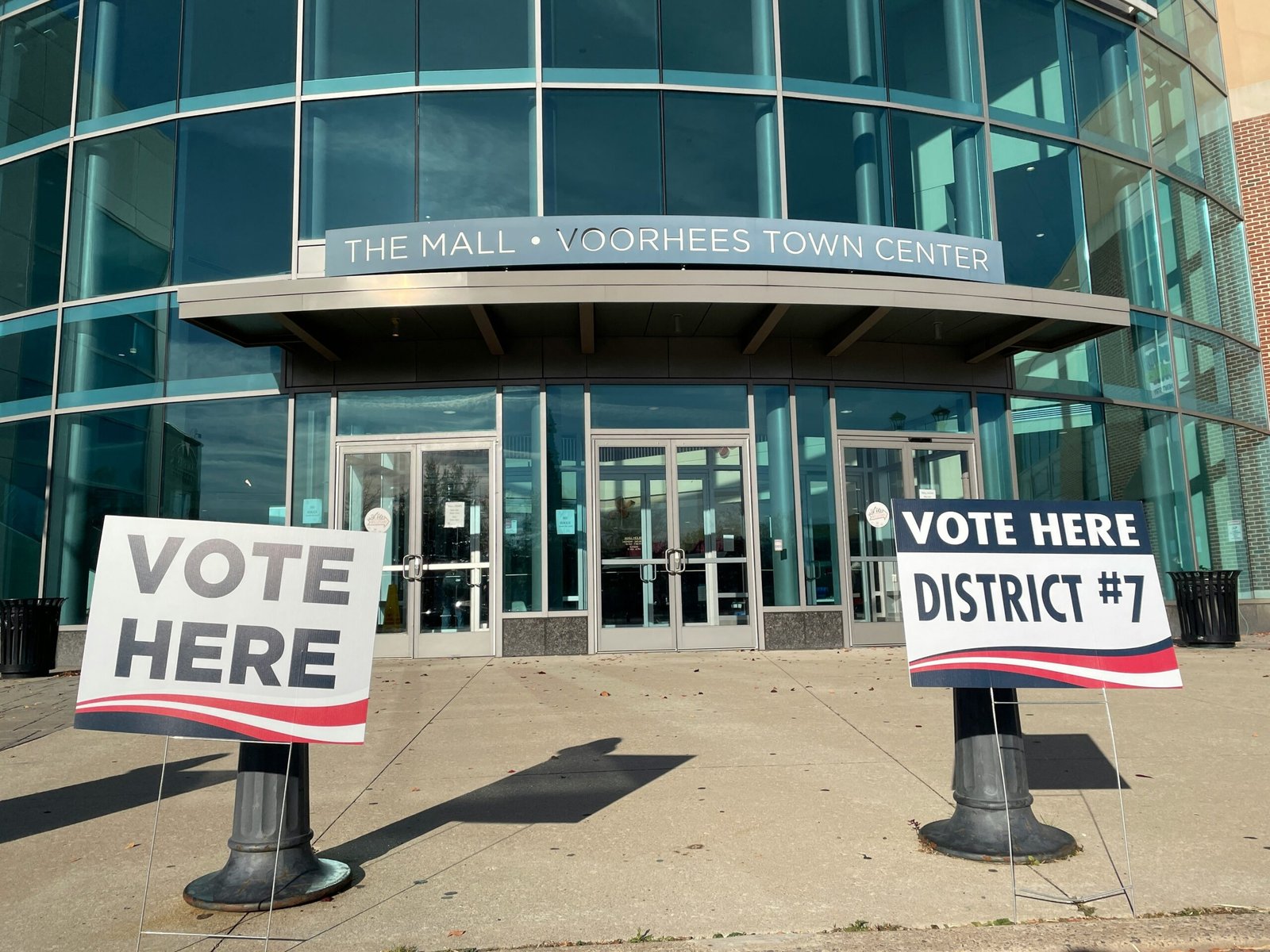

Six U.S. states — California, Iowa, Montana, New Jersey, South Dakota and New Mexico — are voting on Tuesday in elections that could shape control of Congress and set the tone for future presidential politics.
Most attention is focused on California and Iowa, where closely watched primary contests for governor and key congressional seats are unfolding. In both states, Democrats also see possible pathways to gaining ground in Congress during the general elections in November.
In California’s unique “top-two” primary system, the two highest vote-getters — regardless of party — advance to the general election. Term-limited Democratic Governor Gavin Newsom is not on the ballot, while voters are also selecting candidates in five newly drawn Democratic-leaning congressional districts.
California’s race has become crowded and unpredictable, with more than 60 candidates vying for attention after several prominent Democrats opted out of the contest. The absence of early front-runners has opened the field in a way not seen in decades.
The contest shifted further after former Democratic Representative Eric Swalwell exited the race following allegations of sexual misconduct. Recent polling suggests a tight competition between Xavier Becerra, who served as Health and Human Services secretary under former President Joe Biden, and billionaire philanthropist Tom Steyer.
Becerra, a longtime California politician and former state attorney general, is positioning himself as an experienced leader capable of standing up to President Donald Trump’s influence.
Steyer, who has invested more than $213 million of his own money into the campaign, is backed by progressive groups including Our Revolution and has centred his campaign on challenging corporate and special interests.
Republican candidate Steve Hilton, a former Fox News host endorsed by Trump, is also in the mix, focusing on housing affordability, technology growth and reviving California’s film industry.
California’s congressional map has also been reshaped following voter approval of Proposition 50, a measure that temporarily shifted redistricting authority away from the independent commission. The changes have made several districts more favourable to Democrats, intensifying intra-party competition in key races.
The redistricting has created tense matchups, including races where Republican incumbents such as Rep. Ken Calvert and Rep. Young Kim are now competing in the same district. Another lawmaker, Rep. Kevin Kiley, has left the Republican Party to run as an independent while still caucusing with Republicans.
In Iowa, Republican voters are selecting a nominee for governor in an open race for the first time since 2011, after Gov. Kim Reynolds decided not to seek reelection.
Five Republicans are competing, with Rep. Randy Feenstra — endorsed by Donald Trump — emerging as the frontrunner. However, recent polling suggests businessman Zach Lahn could close the gap.
A key complication in Iowa’s GOP race is the 35% threshold required to win outright. If no candidate reaches it, the decision moves to a party convention where delegates, not voters, choose the nominee.
The eventual Republican nominee will face Democratic State Auditor Rob Sand, who is running unopposed in his primary and is seen as a strong general election contender.
On the Democratic side of Iowa politics, voters are choosing between state Rep. Josh Turek and state Sen. Zach Wahls for a Senate bid expected to challenge Trump-backed Rep. Ashley Hinson.
Turek is appealing to independent voters, while Wahls is focusing on core Democratic supporters, with both arguing they are best positioned to win in November.
Elsewhere, New Jersey and Montana also feature competitive congressional and gubernatorial races that could influence the balance of power in Washington.
In New Jersey, attention is centred on Congressional District 7, where four Democrats are challenging Republican Rep. Thomas Kean Jr., who has been absent from Congress for weeks due to health concerns.
In Montana, late decisions by Sen. Steve Daines and Rep. Ryan Zinke not to seek reelection have created unexpected openings, further energising both parties ahead of the general elections.