Tulsi Gabbard has stepped down from her role as Director of National Intelligence under President Donald Trump, saying she needs to focus on her family after her husband was diagnosed with a rare form of bone cancer.
Gabbard announced on Friday that she would leave office on June 30, explaining that her decision was driven by personal circumstances. She said she had informed Trump of her resignation, adding that her husband is facing serious health challenges.
“At this time, I must step away from public service to be by his side and fully support him through this battle,” she wrote in a resignation letter shared publicly and first reported by Fox News.
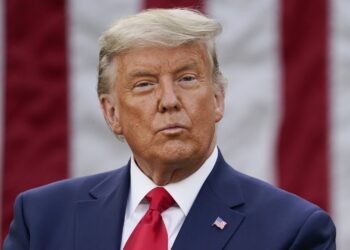
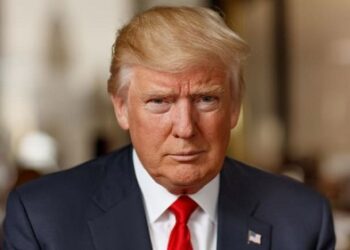
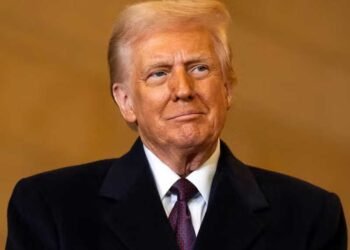
President Trump confirmed her departure in a social media post, praising her service.
“Tulsi has done an incredible job, and we will miss her,” Trump said, adding that her deputy, Aaron Lukas, will take over in an acting capacity.
Gabbard’s exit marks the fourth Cabinet-level departure in Trump’s second term, all of them women.
While she framed her resignation as a personal decision, her tenure had already been marked by tension over foreign policy, particularly Trump’s military actions involving Iran—an issue that reportedly caused divisions within the administration.
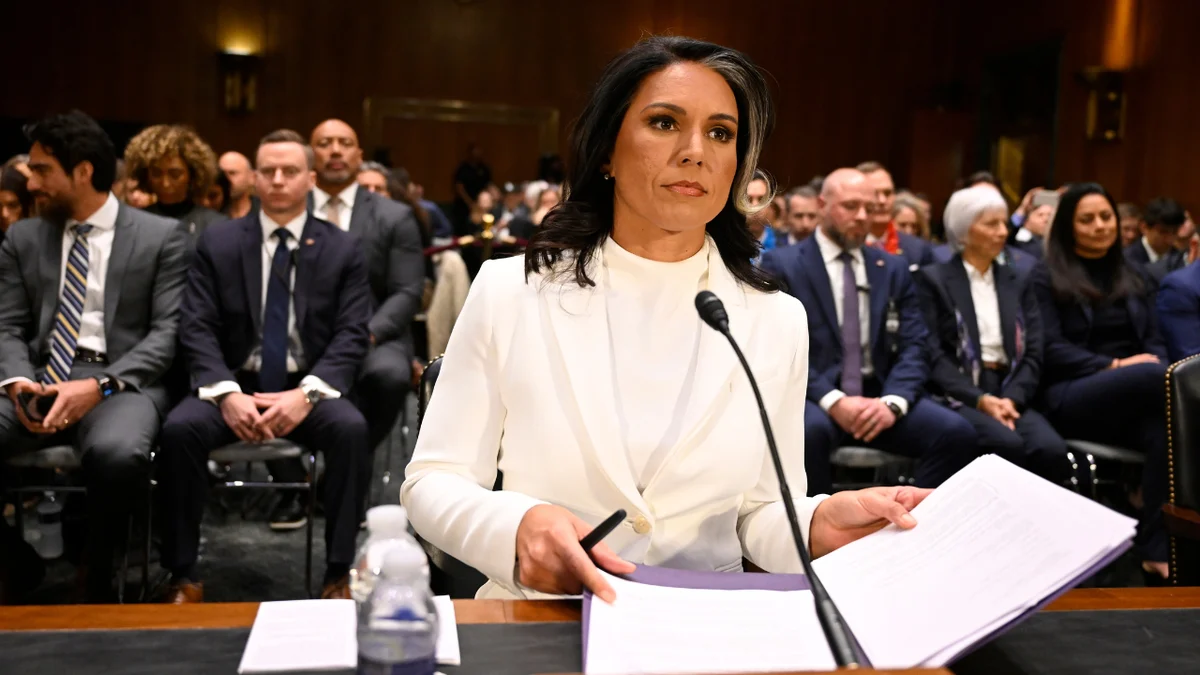
A known critic of foreign interventions, Gabbard previously faced scrutiny for her cautious position during congressional discussions on US strikes in Iran, where she avoided directly endorsing the operation and stressed that final decisions rest with the president.
“It is not the intelligence community’s responsibility to determine what is and is not an imminent threat,” she said during a Senate Intelligence Committee hearing.
Her leadership at the Office of the Director of National Intelligence also drew criticism from lawmakers and intelligence officials over political tensions, workforce reductions, and internal reforms.
Gabbard, a former Democratic congresswoman from Hawaii who later became an independent and eventually aligned with Trump, was considered an unconventional pick for the intelligence role due to her lack of a traditional intelligence background.
Her deputy, Aaron Lukas, a former intelligence and policy official who previously served in Trump’s earlier administration, will now step in as acting director.
The White House did not immediately provide further details on the transition.