
• Home
  • News
  • Entertainment
  • Tech
  • Fashion & Lifestyle
  • Food & Nutrition
  • Health
Federal Character
No Result
View All Result
Federal Character
  • Home
  • News
  • Entertainment
  • Tech
  • Fashion & Lifestyle
  • Food & Nutrition
  • Health
No Result
View All Result
Federal Character
No Result
View All Result
U.S. Missile Deployment in Germany Escalates Russia Tensions

U.S. Missile Deployment in Germany Escalates Russia Tensions

Benita OrumabyBenita Oruma
2 years ago
in Government
Reading Time: 2 mins read
A A
0
Facebook ShareWhatsapp ShareX Share

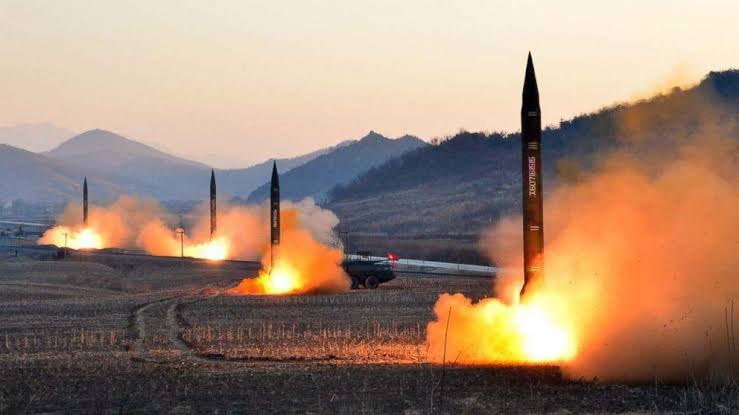
The United States has announced plans to deploy nuclear weapons to Germany starting in 2026 as part of NATO’s collective defense strategy to protect its European allies from perceived Russian aggression. The planned deployment includes SM-6, Tomahawk, and new hypersonic missiles.

Table of Contents

Toggle
  • Russia’s Response
  • Protection of Kaliningrad
  • Historical Context and Treaty Issues
  • Expert Opinions
  • Bottom Line

Russia’s Response

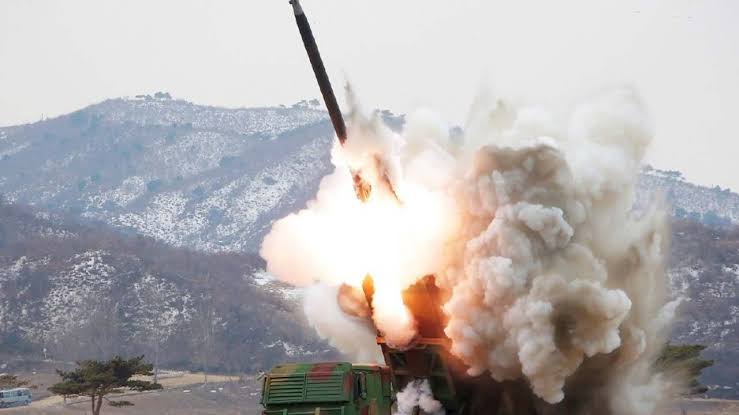
In response, Russian Deputy Foreign Minister Sergei Ryabkov expressed serious concerns about the threat this poses to Russia’s Kaliningrad region, situated between NATO members Poland and Lithuania. Ryabkov stated that Russia might consider deploying new nuclear missiles to counter the U.S. stationing of long-range conventional weapons in Germany.

Protection of Kaliningrad

Ryabkov emphasized that safeguarding Kaliningrad, Russia’s westernmost enclave, is a top priority. He warned that Russia would take all necessary measures to deter any aggressive actions and provocations from its adversaries, underscoring the strategic importance of Kaliningrad.
Historical Context and Treaty Issues

The intermediate-range ground-based missiles that both Russia and the United States are contemplating were previously banned under a 1987 U.S.-Soviet treaty. The U.S. withdrew from the treaty in 2019, citing violations by Russia, which Moscow denied.

Expert Opinions

Security experts warn that the planned deployments contribute to an arms race, complicating an already volatile security environment amid heightened tensions due to the ongoing war in Ukraine. A potential Russian deployment of nuclear missiles in Kaliningrad would significantly escalate tensions, given its direct proximity to NATO countries.

Bottom Line

The planned U.S. missile deployment in Germany and the potential Russian response underscore the escalating arms race and rising tensions between NATO and Russia. This development highlights the fragile security landscape in Europe, exacerbated by the conflict in Ukraine and the strategic significance of regions like Kaliningrad.


Tags: federal characterForeign NewsGermanygovernmentMissileNewsRussiaU.SU.S. Missile Deployment in Germany Escalates Russia Tensions
Share234SendTweet146
Benita Oruma

Benita Oruma

Benita Oruma is a lawyer in training, a 400 level student in the university of Ibadan. She is a content writer with interest in corporate affairs and the marketplace.

Related Stories

Why the U.S. Rejected Russia’s Proposal to Take Iranian Uranium

Why the U.S. Rejected Russia’s Proposal to Take Iranian Uranium

byEriki Joan Ugunushe
0

In a move that has deepened the rift between Washington and Moscow, the United States has officially turned down a Russian offer to take control of Iran's enriched...

Iran Offers to Yield Oman Side of Hormuz to End U.S. Siege

Iran Offers to Yield Oman Side of Hormuz to End U.S. Siege

byEriki Joan Ugunushe
0

After 48 hours of a total U.S. maritime blockade that has paralyzed 90% of its economy, Tehran has blinked, in a desperate bid to restore cash flow and...

The Nobel Peace Pricer

Trump Signals Iran War Could Be Winding Down — Here’s When

bySomto Nwanolue
0

The bombs are still falling. The blockade is still tightening. But President Donald Trump is now telling the world to watch for an "amazing two days." The war...

UK vs. US: Starmer Stands Firm as Trump Pushes for War

UK vs. US: Starmer Stands Firm as Trump Pushes for War

bySomto Nwanolue
0

Donald Trump wanted the UK to join the war in Iran. Sir Keir Starmer said no. Trump kept pushing. Starmer kept refusing. Now the American president is openly...

Next Post
My Most Difficult Transitioning Element Was Self-Conviction – Young Jonn

My Most Difficult Transitioning Element Was Self-Conviction - Young Jonn

Leave a Reply Cancel reply

Your email address will not be published. Required fields are marked *

We bring to you precise and factual news

Recent Posts

  • Why the U.S. Rejected Russia’s Proposal to Take Iranian Uranium
  • Iran Offers to Yield Oman Side of Hormuz to End U.S. Siege
  • Alcaraz Pulls Out of Barcelona Open After Wrist Injury, Faces Setback in Title and No.1 Pursuit

Categories

  • Business and Finance
  • Entertainment
  • Fashion & Lifestyle
  • Food & Nutrition
  • Government
  • Health
  • News
  • Politics
  • Sports
  • Tech

Weekly Newsletter

  • About
  • Advertise With Us
  • Cookie Policy

Copyright © FederalCharacter.com 2026 .

Welcome Back!

Login to your account below

Forgotten Password?

Retrieve your password

Please enter your username or email address to reset your password.

Log In
No Result
View All Result
  • Home
  • News
  • Entertainment
  • Tech
  • Fashion & Lifestyle
  • Food & Nutrition
  • Health

Copyright © FederalCharacter.com 2026 .