
The U.S. military’s response to the recent attack on its personnel in Syria was swift and overwhelming. Over 70 ISIS targets were struck in central Syria, hitting fighters, weapons caches, and infrastructure. The operation, called “Operation Hawkeye Strike,” was described by officials as a decisive and strong retaliation.
How the strikes unfolded
Jets, helicopters, and rocket systems were used to carry out the mission. U.S. F-15 and A-10 fighter jets, along with Apache helicopters and HIMARS rocket systems, coordinated with Jordanian air support. The goal was clear: to remove any threat that could harm coalition forces and destabilize the region further.
The attacks followed an incident where two U.S. soldiers and a civilian interpreter were killed in Palmyra by a suspected ISIS sympathizer. Three other soldiers were wounded. Syria’s government has been cooperating with the U.S.-led coalition to ensure that ISIS has no safe havens, and this latest strike demonstrates the seriousness of that commitment.

Political and military messaging
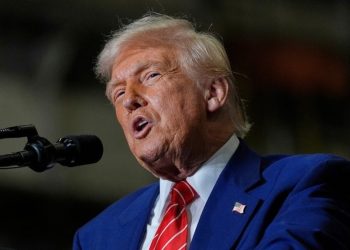
Officials made it clear that these airstrikes were not the start of a broader war but a statement of retaliation. Defense Secretary Pete Hegseth emphasized that the mission targeted enemy fighters and their infrastructure, calling it a declaration of vengeance. President Trump also stressed the operation’s success, claiming it was a “massive” blow to ISIS.
Regional cooperation and support
This action shows a continuing partnership between U.S. forces and regional allies, including Syrian units who are part of the coalition effort. Their involvement ensures better intelligence and coordination in hitting high-value targets without escalating civilian casualties.
The Bottom Line
Approximately 1,000 U.S. troops remain in Syria, maintaining pressure on ISIS while supporting Syrian partners. The operation highlights both the persistent threat of the Islamic State and the U.S.’s readiness to act decisively against any aggression.
The airstrikes demonstrate a combination of precise military action and political messaging. The U.S. is making it clear that attacks on its forces will be met with serious consequences, while continuing its efforts to keep ISIS contained and destabilizing elements in check.