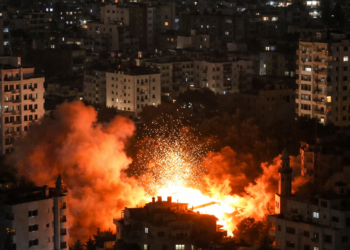

What happened overnight sends a clear warning before the planned Trump talks, and many are asking why Russia chose this moment to strike so hard. Hours before Ukraine’s president was due to meet Donald Trump, Russian missiles and drones hit Kyiv and other cities, cutting power, destroying homes, and killing civilians. The timing alone makes the message hard to ignore, even without saying it directly.
Is this Russia’s way of replying to peace talk efforts, or is it a move to gain leverage before negotiations?
What happened on the ground
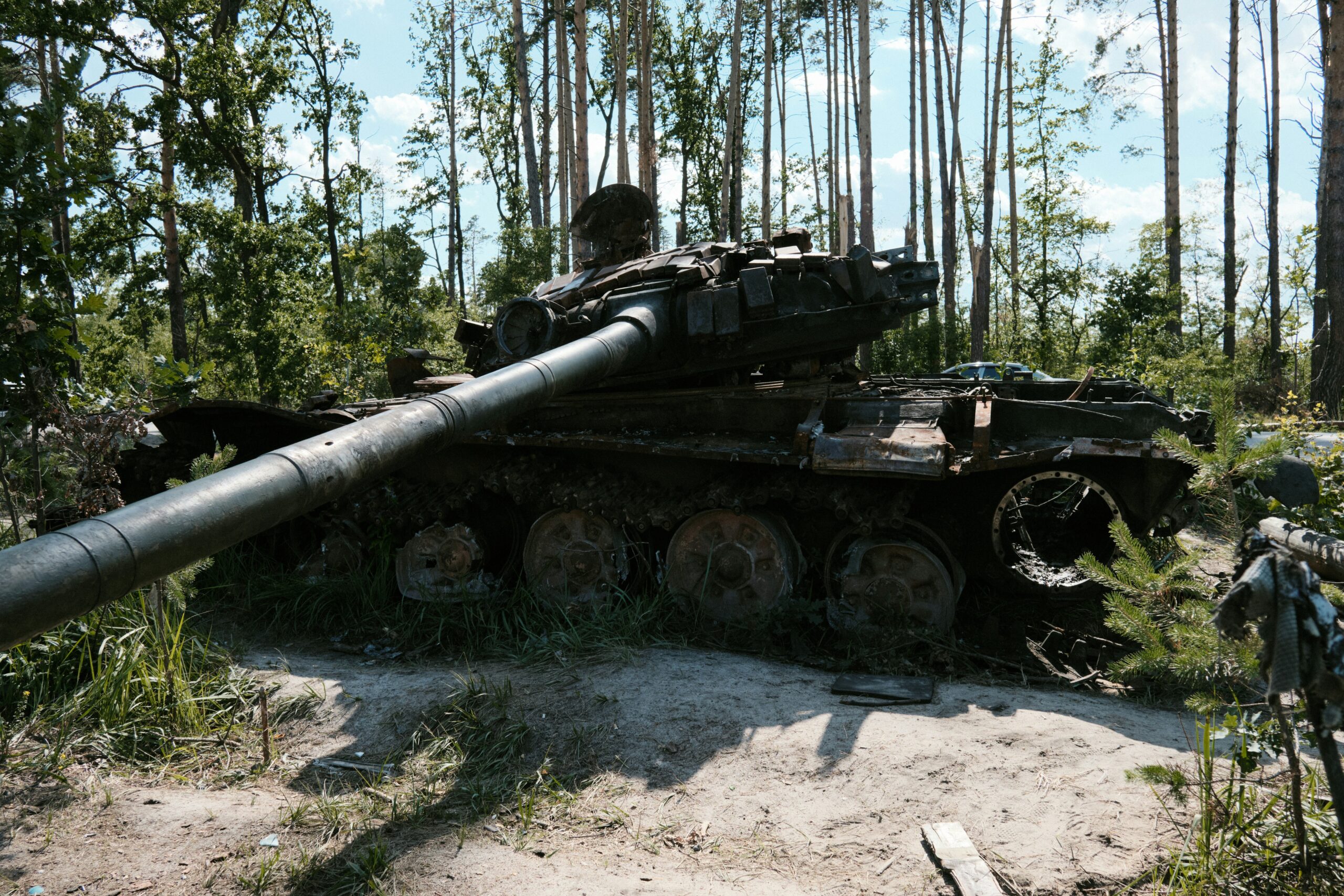
The attack began in the early hours and lasted for several hours. Ukrainian officials said hundreds of drones and dozens of missiles were launched in one of the heaviest single-night assaults in months. Air raid sirens rang across Kyiv as air defence systems tried to intercept incoming fire.
Two people were confirmed dead, while dozens were injured, including children. Large parts of the capital were thrown into darkness as electricity and heating systems were damaged. With winter temperatures near freezing, the loss of heat made the situation even worse for families already living under fear.
Power cuts and regional impact
Energy facilities were hit across different parts of the country. Ukraine’s grid operator confirmed emergency power cuts in Kyiv and nearby areas, leaving hundreds of thousands of homes without electricity. In some neighbourhoods, people woke up to cold homes, broken windows, and damaged apartment blocks.
The attack also had effects beyond Ukraine. Poland temporarily shut down two airports near its border as a precaution, showing how close the conflict is to spilling further into Europe.
Zelenskiy on the timing
President Volodymyr Zelenskiy did not hide his anger. He described the assault as Russia’s answer to peace efforts being discussed with the United States. According to him, bombing cities while talks are being prepared shows a lack of seriousness about ending the war.
He was already travelling to meet Trump, with security guarantees and territorial control expected to be key points. For Kyiv, the strikes raised serious doubts about Moscow’s intentions.
Trump, talks, and control
Trump has made it clear that he sees himself as central to any deal. He has said no agreement moves forward without his approval. While he expressed optimism about the upcoming meeting, the attacks placed fresh pressure on the talks even before they began.
Ukraine wants strong, long-term security guarantees. The United States has reportedly suggested a deal lasting several years, but Kyiv wants something firmer, fearing future Russian aggression if protections are weak.
Territory remains the big problem
Land is still the hardest issue. Russia wants Ukraine to pull out of parts of eastern regions it has failed to fully capture after years of fighting. Ukraine insists fighting should stop at current lines.
There is talk of compromises, including economic zones and ceasefires, but none of these ideas can move forward while cities are under fire. Zelenskiy himself said it is impossible to ask citizens to vote on peace terms while bombs are still falling.
What Russia is saying
Moscow has not commented directly on the strikes, but a senior Russian official said talks may be nearing a turning point. At the same time, Russia claims Ukraine’s proposals differ from what it has discussed with Washington.
This mixed messaging adds to fears that Russia is using force to shape the talks rather than to end the war.
Why this matters
This attack was not just about military targets. It was about pressure, fear, and timing. Hitting cities just before high-level talks sends a signal that strength, not compromise, is still the main language being used.
Can real peace talks succeed when one side is still using bombs to speak?
Bottom Line
The strikes ahead of Trump talks underline how fragile the peace process is. Civilians continue to pay the price while leaders debate borders and guarantees. Until attacks like this stop, trust will remain low, and every negotiation will sit under the shadow of the next missile wave.