
When US President Donald Trump meets Chinese President Xi Jinping in Washington this week, trade, tariffs, rare earth minerals, national security and supply chains are expected to feature prominently in their discussions.
However, another issue is increasingly shaping the rivalry between the two countries: artificial intelligence. The competition is no longer limited to which country can produce the most advanced AI models, but extends to the chips, computing capacity and technological infrastructure required to power them.
The United States continues to hold a leading position in advanced AI and semiconductor design, while China is working to reduce its reliance on American technology. At the centre of that effort is Huawei, which has become a major player in China’s push to develop an independent technology ecosystem.
For years, Washington has imposed export controls restricting China’s access to advanced semiconductors and chip-making technology, particularly products considered capable of supporting military applications.
The restrictions were designed to prevent sophisticated American technology from strengthening China’s military capabilities. However, they have also encouraged Beijing to accelerate efforts to develop an AI ecosystem that can function without relying heavily on US technology.
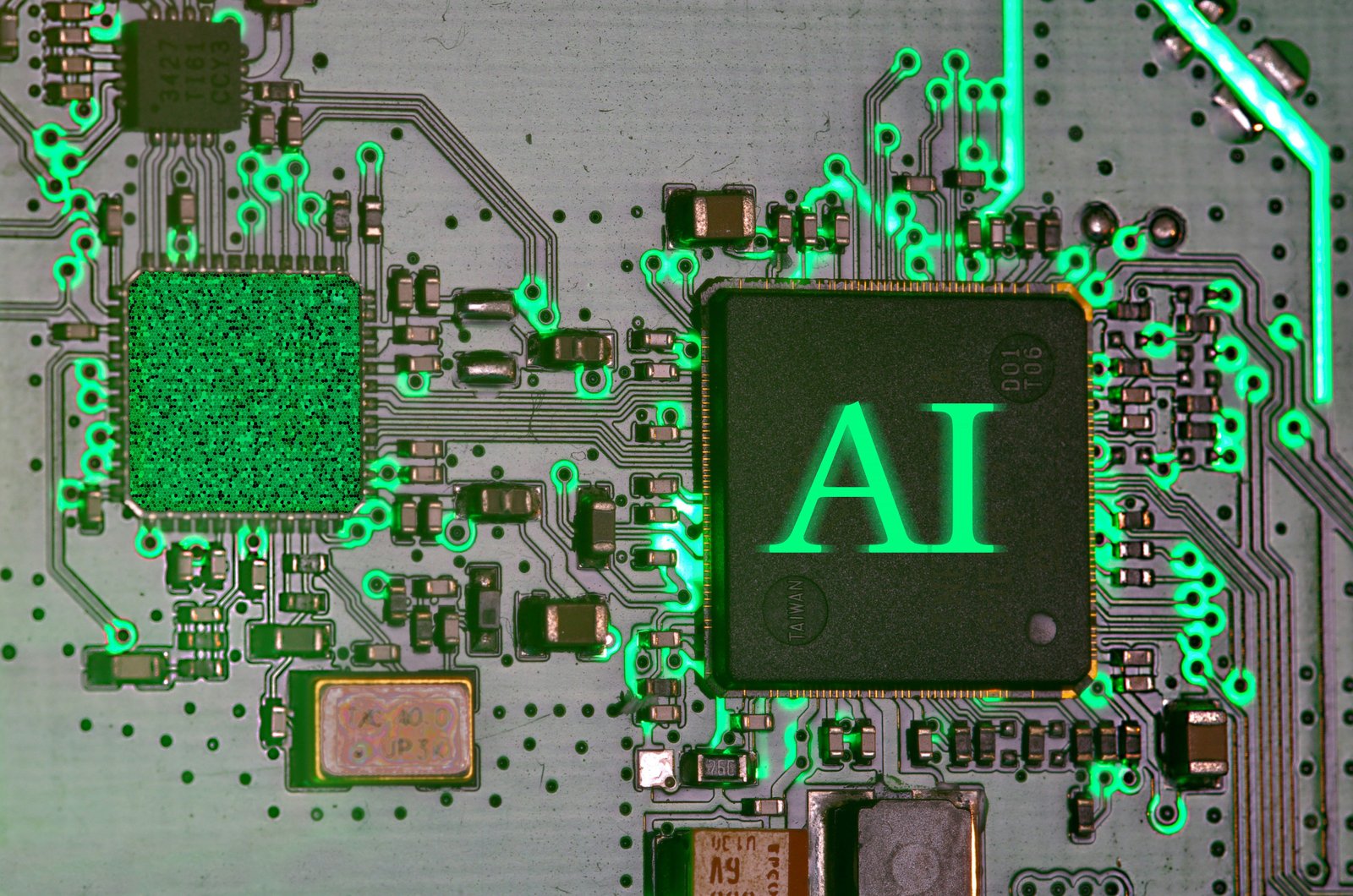
Huawei has expanded its Ascend AI chip programme, while Chinese developers have adjusted software and AI models to operate on domestic hardware. Chinese technology companies have also invested heavily in computing systems designed to compensate for some of the performance limitations of individual Chinese-made chips.
Huawei has indicated that demand for its AI computing products in China is exceeding available supply. The company is also working on newer generations of Ascend processors and large-scale computing systems capable of connecting huge numbers of chips.
That development has changed the strategic challenge facing Washington.
The issue is no longer simply how to prevent sensitive American technology from reaching China. It is also about ensuring that countries around the world continue to adopt American technology rather than turning to Chinese alternatives.
The two objectives are connected but require different approaches.
If US technology becomes inaccessible to too much of the international market, China has a greater incentive to develop replacements, while Huawei has an opportunity to sell those alternatives. Countries and companies may also begin building their technological infrastructure around products that they can consistently obtain.
Once software developers commit to a particular technological ecosystem, businesses invest in compatible computing infrastructure and governments spend billions deploying related systems, moving to another platform becomes increasingly difficult.
That makes the competition more than a battle over chip sales. It is a contest over entire technology ecosystems.
The United States wants American chips, software, standards and innovation to remain central to the global AI economy. China, meanwhile, is seeking to establish an alternative ecosystem in which Huawei and other Chinese companies provide technology that Beijing can influence and Washington cannot easily control.
Trump’s administration has taken a different approach from that of the previous Biden administration. It rescinded the Biden-era AI Diffusion Rule while retaining restrictions on technologies considered to have significant national-security implications.
The administration has also allowed some advanced chips to be considered for sale to approved Chinese customers under licensing requirements and security conditions.
The approach is based on the argument that technologies considered critical to national security should be protected without unnecessarily giving up commercial markets to Chinese competitors.
Protecting national security remains a central consideration. Advanced semiconductor technology can have military applications, and export controls remain an important tool for limiting access to sensitive technology.
But broad restrictions can also have consequences if they encourage China to accelerate the development of alternatives and expand their use internationally.
Huawei’s ambitions extend beyond surviving US restrictions. The company wants Chinese chips to power Chinese AI systems and Chinese computing infrastructure to support domestic AI models. Chinese technology companies also want their products adopted by customers outside China.
As a result, the next stage of the US-China technology rivalry could centre on which chips countries purchase, which computing systems they install, what software developers learn and which technology ecosystem becomes the foundation of the global AI industry.
The United States has significant advantages, including major semiconductor designers, leading AI companies, deep capital markets, universities, entrepreneurs and a strong innovation ecosystem.
But technological leadership is not guaranteed indefinitely. Maintaining it requires continued investment, innovation and policies that allow American technology to remain competitive globally.
One potential risk is that policies designed to protect US technology could unintentionally make American products less accessible internationally while Chinese companies offer alternative systems.
There are also growing calls for stronger restrictions on AI development because of safety and security concerns. Those concerns warrant consideration, particularly because advanced AI and semiconductor technologies can have significant military and security applications.
The key question is whether individual restrictions strengthen American security without unnecessarily helping China build a competing technology ecosystem.
China is continuing its development efforts, Huawei is expanding its technology capabilities and global demand for AI computing is increasing.
The companies and countries that provide the chips, computing infrastructure, software and standards will have a significant influence over the future of the AI economy.
For the United States, keeping its companies at the centre of that ecosystem is therefore a strategic priority.
The country also faces the broader challenge of ensuring that semiconductor manufacturing and other strategically important supply chains remain sufficiently strong domestically rather than becoming overly dependent on overseas production.
Semiconductors are no longer simply components used inside computers. Computing capacity has become a strategic resource, with implications for scientific research, medicine, manufacturing, intelligence, cybersecurity and military technology.
That is why the Trump-Xi meeting has significance beyond any potential trade agreement or diplomatic statement.
The broader competition is over who will shape the technological infrastructure of the 21st century.
The United States will need to protect sensitive technology, intellectual property and products with significant military applications while allowing American companies to compete internationally.
Maintaining that balance could determine whether the global AI ecosystem remains centred on American technology or increasingly incorporates alternatives developed by China and companies such as Huawei.
Ben Ferguson is a nationally syndicated talk radio host and author. He hosts “The Ben Ferguson Podcast” and co-hosts “Verdict with Ted Cruz,” one of the top-ranked political podcasts in the United States.