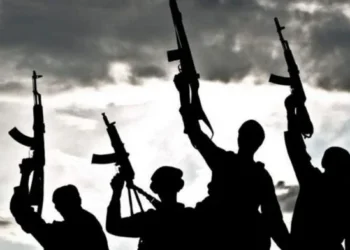

Two shocking acts of gun violence reminded the world how vulnerable public spaces and schools have become. In Sydney, a rifle-wielding attacker at Bondi Beach was tackled by a brave bystander, saving countless lives. In Providence, Rhode Island, a Brown University campus erupted in chaos when a gunman opened fire during exams, killing two students and wounding nine others.
These incidents are not isolated. Across the United States, Australia, and other parts of the world, mass shootings are becoming alarmingly common. Understanding why this happens — and what can be done- is urgent.

Why Are Mass Shootings So Common?
Several factors make countries like the U.S. particularly vulnerable to these tragedies:
- Gun Availability: The U.S. has over 400 million firearms in civilian hands, and Australia, though stricter, still faces isolated incidents. Easy access increases the risk of impulsive violence.
- Cultural Factors: In the U.S., mass shootings have become a tragic part of the news cycle, often inspiring copycat attacks.
- Mental Health Gaps: Many shooters struggle with mental health issues, yet resources for early intervention are often insufficient.
- Security Gaps: Public spaces like beaches, universities, and malls are usually open-access areas, making them soft targets.
Other Recent Examples
The U.S. has seen hundreds of mass shootings.. Some examples include:
- Robb Elementary School, Uvalde, Texas (2022): 21 victims killed, mostly children.
- Highland Park, Illinois (2022): A 4th of July parade attack left 7 dead and dozens injured.
These incidents show a common thread: public gatherings are at risk, and prevention measures are often reactive rather than proactive.
What Can Be Done to Stop Them?
1. Stricter Gun Laws and Control
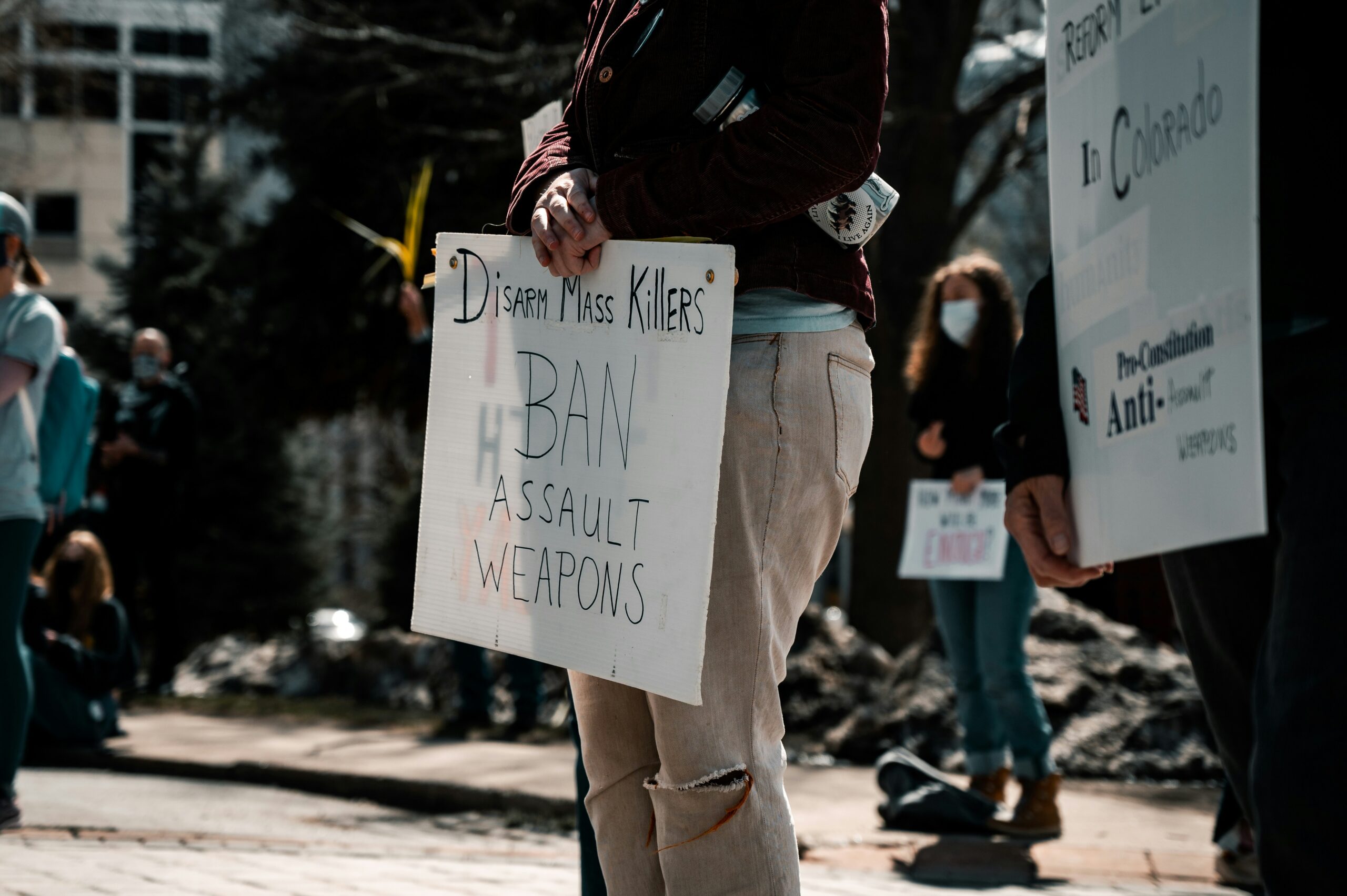
Research shows that countries with tighter firearm regulations have fewer mass shootings. Australia’s 1996 gun reforms dramatically reduced gun violence. The U.S. could adopt measures such as universal background checks, waiting periods, and restrictions on high-capacity firearms.
2. Mental Health Support
Investing in mental health services, early identification of risk factors, and crisis intervention programs can help prevent some individuals from reaching a breaking point. Schools and workplaces should have accessible counseling and threat assessment programs.
3. Public Safety Measures
Universities, stadiums, and public spaces must review security protocols:
- Controlled entry points
- Active surveillance systems
- Emergency response training for staff and students
4. Community Engagement and Awareness
Education about warning signs, such as online threats, aggressive behavior, or obsession with weapons, can help communities intervene before tragedy strikes. Public campaigns and training programs can empower bystanders to act safely.
5. Cultural Change
Mass shootings are partly driven by fame and attention. Media coverage should focus on the victims, heroes, and systemic lessons rather than sensationalizing the shooter. Reducing the “infamy reward” can reduce copycat incidents.
Learning From Heroes
In Sydney, a bystander tackled an armed man at Bondi Beach, preventing a much larger tragedy. At Brown University, students and staff acted bravely to shelter victims and maintain calm under fire. These moments show that preparation, awareness, and courage can save lives even in the face of chaos.
A Global Challenge
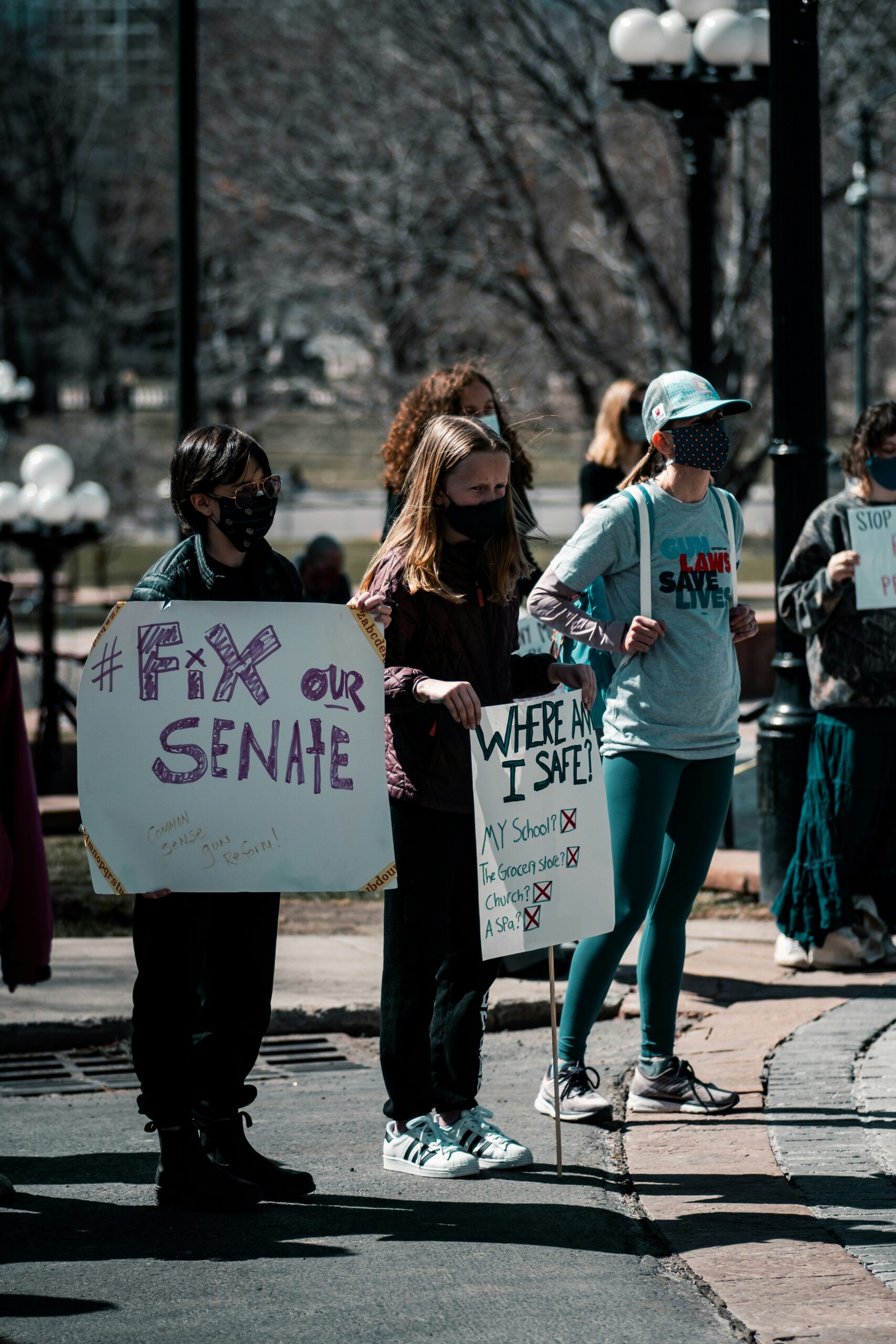
Mass shootings are no longer a rare anomaly; they are a global challenge that requires a combination of stricter gun control, mental health support, security measures, and cultural change. The attacks in Australia and Brown University show how quickly life can change for ordinary people. Governments, communities, and individuals must act decisively to prevent these tragedies from happening today, tomorrow, or next week.