

The specter of a global conflict looms larger than ever this March 2026, following a devastating strike on Iran’s Pars gas field. Tehran has issued a chilling ultimatum, declaring major oil and gas infrastructure across the Gulf as “direct and legitimate targets.” This escalation marks a perilous turning point in the ongoing U.S.-Israeli conflict with Iran, sending shock through global energy markets and heightening fears of World War 3.
Direct Hits on Critical Energy Infrastructure
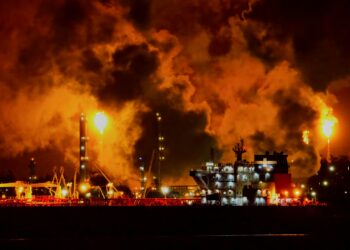
On Wednesday, March 18, 2026, the Iranian sector of the world’s largest natural gas deposit, the Pars gas field, was struck. The facility, which Iran shares with Qatar, saw its refineries and storage tanks engulfed in flames. While Iranian state media reports the fires are now under control, the symbolic and economic damage is done.
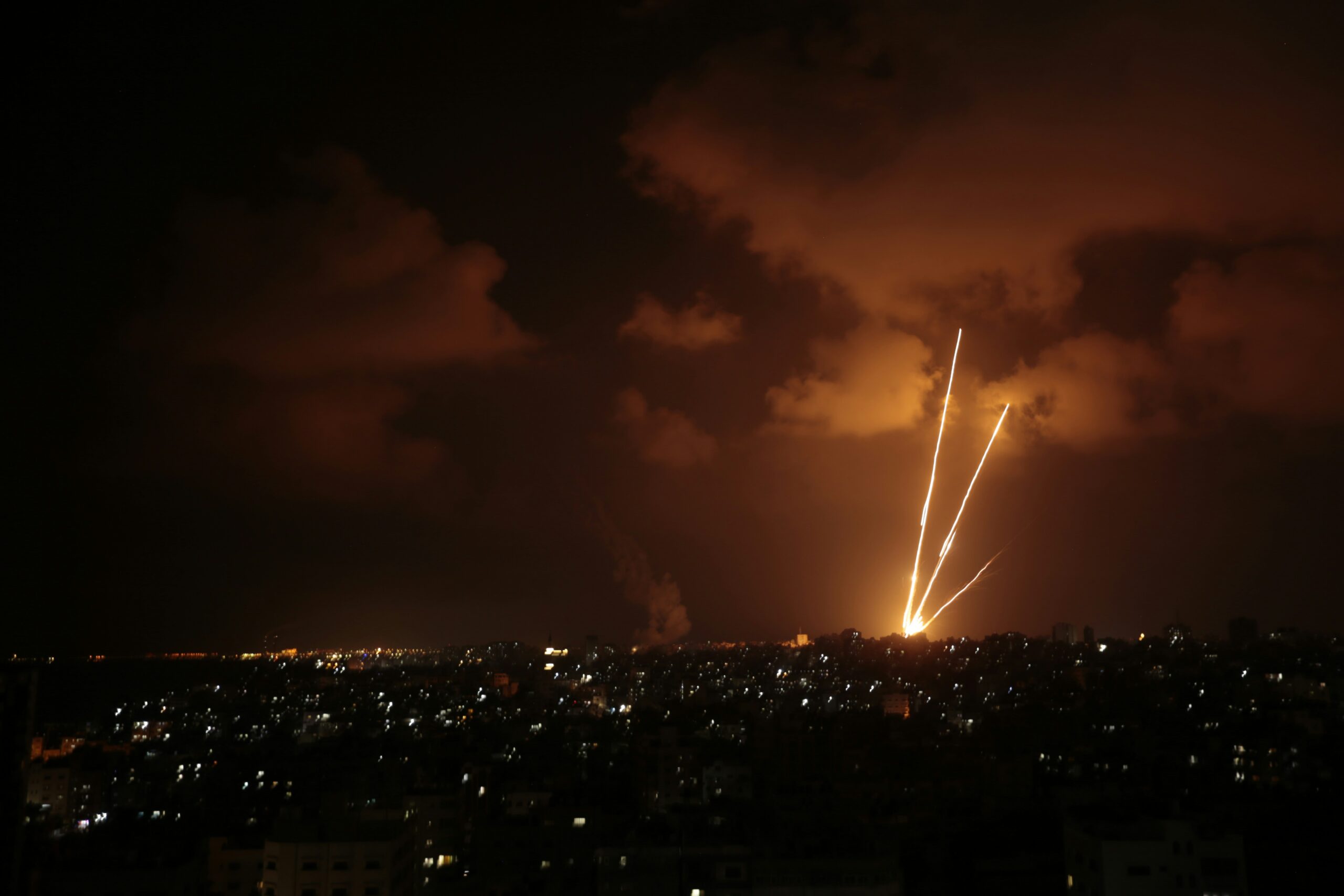
Though neither Israel nor the U.S. has officially claimed responsibility, the strike is widely viewed as a coordinated effort to dismantle Iran’s economic backbone. In immediate retaliation, Iran’s leadership has warned that it will no longer spare the energy sectors of its neighbors, specifically naming facilities in Saudi Arabia, the UAE, and Qatar as imminent targets.
Global Energy Crisis: Oil Prices Soar
The impact on the global economy was instantaneous. As news of the strike broke, Brent crude prices surged 5%, climbing well above $108 per barrel. This comes at a time when the Strait of Hormuz, a chokepoint for 20% of the world’s oil and LNG, has already been restricted by Iranian forces.
In the United States, the domestic fallout is mounting. Diesel prices have crossed the $5 per gallon threshold, a figure not seen since the inflation crisis of 2022. Vice President JD Vance has indicated that the Trump administration is preparing emergency measures to stabilize prices, though experts warn that if Gulf infrastructure is destroyed, “lasting damage” to the global energy grid may be unavoidable.
Assassinations and Retaliation: “No One Has Immunity”
The conflict has shifted into a campaign of targeted killings. On Wednesday, Israel confirmed the death of Iranian Intelligence Minister Esmail Khatib, occurring just twenty-four hours after the killing of security chief Ali Larijani.
Israeli Defense Minister Israel Katz issued a stark warning: “No one in Iran has immunity.” For the first time, the Israeli military has been granted standing permission to target senior Iranian officials without seeking case-by-case political approval.
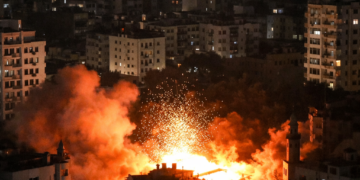
In response, Iran launched a massive missile barrage targeting:
Tel Aviv, Haifa, and Beersheba in Israel.
U.S. Military Bases in Bahrain, Iraq, Jordan, Kuwait, and the UAE.
Riyadh, Saudi Arabia, where residents reported hearing loud explosions as air defenses intercepted ballistic threats.
The Human Toll of the March 2026 Conflict
The humanitarian cost of the three-week-old war is staggering. According to human rights groups and local authorities. Over 3,000 people killed since February 28.
Lebanon, 900 dead and over 800,000 displaced as central Beirut faces its most intense bombardment in decades.
14 deaths reported following the latest missile salvos.
As Tehran’s new Supreme Leader, Mojtaba Khamenei, vows to avenge the “blood of the martyrs,” the international community watches with bated breath. With the Gulf’s oil fields now in the crosshairs, the line between a regional war and a global catastrophe has never been thinner.