
The United States has taken a hard step that could shake Nigeria’s economy at a very delicate time. By placing a fresh 25% tariff on Nigerian goods, Washington is sending a clear message: countries that keep trading with Iran will pay a heavy price. For Nigeria, this is not just about trade numbers. It is about jobs, currency pressure, foreign trust, and even temporary restrictions that could deepen existing problems.
Why Nigeria is caught in the middle
Nigeria did not wake up planning a fight with the United States. Over the years, Nigeria has slowly expanded trade with Iran, mostly in agricultural goods and basic commodities. These deals are small compared to Nigeria’s global trade, but they matter to farmers, traders, and small exporters.
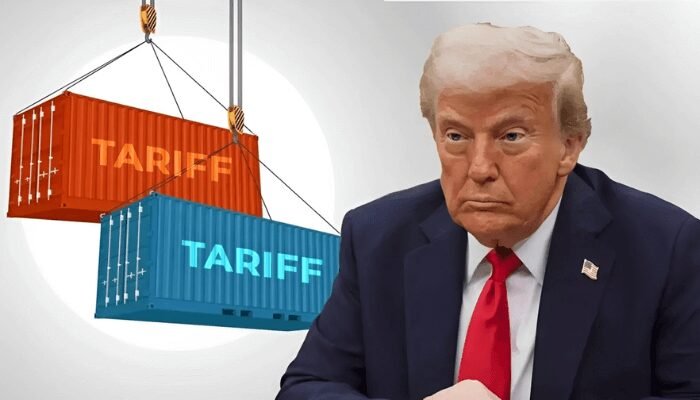
The U.S. sees things differently. President Donald Trump has made it clear that Iran is off-limits. Any country doing business with Tehran, no matter how small, is now seen as acting against U.S. interests. Nigeria, by simply keeping economic ties open, has found itself on the wrong side of Washington’s policy.
What the 25% tariff really means
A 25% tariff is not a warning. It is punishment. Nigerian goods entering the U.S. market will now be far more expensive. This makes them less attractive to American buyers, who can easily switch to cheaper alternatives from other countries.
For Nigerian exporters, this means fewer orders, lower profits, and in many cases, total loss of contracts. Small exporters will feel it first, but large industries will not be spared either. Once buyers leave, they are hard to bring back.
The danger to jobs and local businesses
When exports fall, factories slow down. When factories slow down, workers lose jobs. This is the simple chain reaction Nigeria now faces.
Agricultural exporters, manufacturers, and logistics businesses all depend on access to foreign markets. The U.S. is one of Nigeria’s most important trade partners. Losing competitiveness there could lead to layoffs, reduced wages, and business closures, especially at a time when inflation is already high.
Pressure on the naira
Nigeria’s currency is already under stress. Export earnings bring in dollars, and dollars help stabilize the naira. With tariffs reducing exports, dollar inflow will likely drop.
Less foreign currency means more pressure on the naira, higher import costs, and more inflation at home. Everyday goods could become more expensive, hitting ordinary Nigerians harder than anyone else.
The temporary ban and wider restrictions
Beyond tariffs, there is also fear of temporary trade bans or tighter reviews of Nigeria’s access to U.S. markets. Washington has hinted that countries seen as ignoring its Iran policy could face stricter measures.
This creates uncertainty. Investors do not like uncertainty. Even the idea of a temporary ban can scare away foreign investors, delay projects, and slow down economic growth. Nigeria cannot afford that right now.
AGOA access now under threat
One of the biggest risks is Nigeria’s access to AGOA, the U.S. trade programme that allows African countries to export certain goods duty-free. AGOA eligibility is reviewed every year.
With this new tariff move, Nigeria’s position under AGOA looks shaky. Losing or limiting AGOA access would be a major blow, wiping out years of trade advantage and putting Nigeria behind other African competitors.
A difficult choice for Nigeria
Nigeria is now facing a hard decision. Continue trading with Iran and accept U.S. punishment, or pull back and protect access to the American market.
Neither option is easy. Cutting ties with Iran affects local traders and future partnerships. Ignoring the U.S. risks deeper economic pain. This is not just a foreign policy issue anymore. It is a survival question for Nigeria’s economy.
Bottom Line
If Nigeria does not respond carefully, this tariff could lead to job losses, weaker currency, reduced investor confidence, and long-term damage to trade relations. The coming months will show whether Nigeria can balance its foreign ties without paying too high a price at home