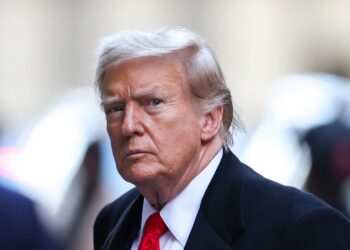


In a sudden escalation of a bitter labor dispute, the Minister of the Federal Capital Territory, Nyesom Wike, has taken the extraordinary step of seeking a court order to commit hundreds of striking FCT Administration workers to prison, a move critics condemn as a tyrannical abuse of power to crush legitimate protest over unmet wages.
The FCT Minister’s Legal Hammer
Through his lawyer, Dr. Ogwu James Onoja (SAN), Wike has obtained Form 48 —a legal notice titled “Notice of Consequence of Disobedience of Order of Court”—which warns the workers they will be “guilty of contempt of court and will be liable to be committed to prison” if they do not call off their strike.
This action follows an order by Justice E. D. Sublimi of the National Industrial Court on January 27, which mandated the workers to suspend their industrial action pending a final ruling. The workers defied the order, resuming their strike four days later and shutting down offices across Abuja.

A Clash of Legal Arguments and Worker Defiance
Wike’s legal team argues the minister is merely upholding the rule of law. “Court orders are not made in vain,” they stated. “They are made to be obeyed for sanity to prevail in society.” They maintain that unless an appellate court explicitly stays the execution of the January 27 order, the strike is illegal.
The workers, represented by the Joint Union Action Congress (JUAC), justify their defiance by citing a notice of appeal they have filed against the ruling. They argue this legal challenge invalidates the immediate obligation to obey the lower court’s order, a position Wike’s lawyers forcefully reject.
The Core Grievance: Unmet Demands and Unpaid Wages
The legal battle over court orders has overshadowed the strike’s original cause, which the workers described as “unmet demands” by the federal government. While not detailed in the court filings, these demands are widely understood to include outstanding wage awards, promotion arrears, and the non-remittance of statutory pension deductions—issues that have left workers financially strained.
The minister’s pursuit of prison sentences for civil servants protesting over pay has drawn fierce criticism from labor unions and civil society, who frame it as a heavy-handed tactic to avoid addressing systemic failures in worker compensation.
With the substantive court case adjourned until March 25, the standoff has reached a perilous juncture: will the workers back down under the threat of imprisonment, or will the minister’s legal gambit provoke an even deeper crisis in the nation’s capital?