
French President Emmanuel Macron has ordered the deployment of France’s flagship aircraft carrier to the Mediterranean amid growing tensions in the Middle East.
In a televised address on Tuesday, Macron confirmed that the Charles de Gaulle and its accompanying fleet would head toward the region.
“I have ordered the Charles de Gaulle aircraft carrier, its air assets, and its escort of frigates to set course for the Mediterranean,” he said, a day after cautioning that the crisis risked spilling beyond the Middle East into Europe.
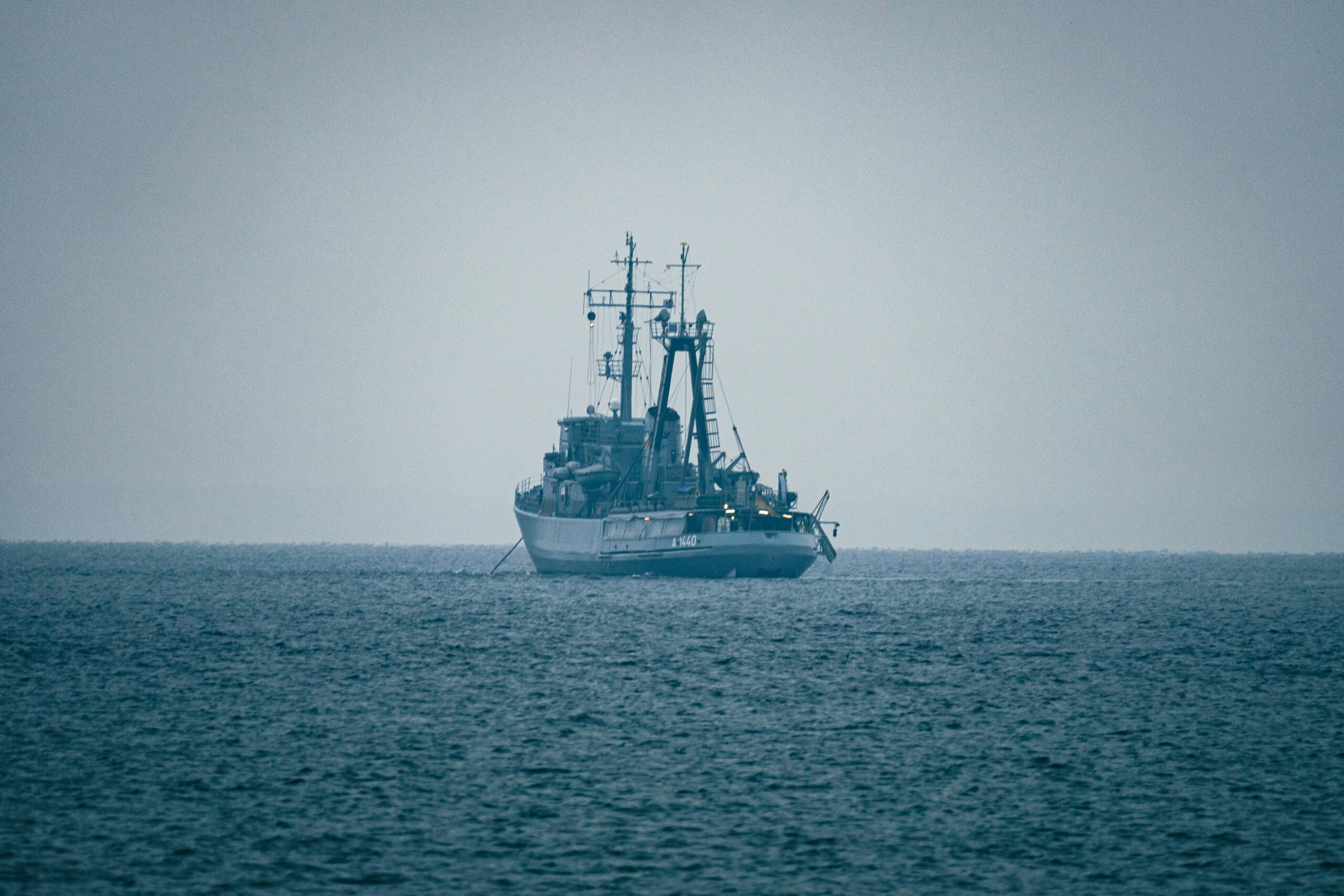
The carrier was redirected from a mission in the North Atlantic and had recently docked in Malmo, Sweden, before receiving new instructions to sail toward the eastern Mediterranean.
Macron also revealed that France was reinforcing its military presence around Cyprus following drone strikes that targeted the British Royal Air Force base at Akrotiri on the island.
“In addition to assets already in place, Rafale jets, air-defence systems and airborne radar aircraft have been deployed in recent hours” to the region, he said.
According to him, the frigate Languedoc and “additional air defence assets” were scheduled to arrive off Cyprus on Tuesday, as tensions intensified after the United States and Israel launched strikes on Iran over the weekend. Britain has likewise stationed a naval vessel near Cyprus.
While condemning the military operations by Washington and Tel Aviv, Macron stated: “The United States of America and Israel decided to launch military operations, conducted outside international law, which we cannot approve of.”
However, he also placed significant blame on Tehran. “But ‘the Islamic republic of Iran bears primary responsibility for this situation,’” he said, pointing to Iran’s “dangerous” nuclear ambitions, backing of regional proxy groups, and orders to fire on protesters earlier this year.
Iran has since retaliated by striking targets across the region, including in Gulf states and Israel, and has issued warnings regarding maritime routes.
Macron highlighted the strategic importance of global shipping corridors, warning: “Today, the Strait of Hormuz is effectively closed. Around 20 percent of the world’s oil and liquefied natural gas passes through this strait. The Suez Canal and the Red Sea are also under strain and under threat.”
He added, “We have taken the initiative to build a coalition in order to pool the necessary resources, including military ones, so that traffic can be restored and secured in these sea lanes that are essential to the global economy.”
The French leader disclosed that French forces had already intercepted hostile drones.
“We reacted immediately and shot down drones in self-defence in the early hours of the conflict to defend the airspace of our allies, who know they can count on us,” Macron said, referencing defence agreements with Qatar, Kuwait and the United Arab Emirates.
Foreign Minister Jean-Noel Barrot earlier confirmed that Rafale fighter jets had been deployed over the UAE to safeguard French facilities, including the Al-Dhafra air base near Abu Dhabi. He noted that a hangar at a French base in the UAE was struck by a drone on Sunday.
Macron also revealed that two French military bases had sustained “limited strikes causing material damage” since the conflict began.
The Charles de Gaulle is expected to reach the eastern Mediterranean in about 10 days. Once in position, its 20 Rafale fighter jets and two Hawkeye surveillance aircraft will assist in securing regional airspace as the crisis continues to unfold.