


The first six days of the U.S. war with Iran cost American taxpayers at least $11.3 billion, according to internal administration estimates shared with senators during a closed-door briefing Tuesday — a staggering figure that does not include the full cost of the conflict and is likely to trigger an emergency funding request to Congress.
The estimate, provided to lawmakers clamoring for more information about the rapidly escalating war, covers only the period from February 28 through March 5. It does not include the subsequent week of strikes, the deployment of additional forces, or the long-term costs of sustaining operations.
Administration officials told senators that $5.6 billion in munitions were expended in the first two days alone.
Multiple congressional aides said they expect the White House to submit a formal funding request soon. Some officials suggested the request could be for $50 billion; others said that estimate seemed low.
The Daily Burn
The $11.3 billion figure breaks down to nearly $2 billion per day — a burn rate that has Pentagon officials warning that munitions are being depleted faster than the defense industry can replenish them.
The costs include:
· 450 Tomahawk missiles fired in the opening days, at approximately $1.9 million each
· Hundreds of fighter and bomber sorties
· Carrier strike group operations in the Persian Gulf and Eastern Mediterranean
· Supporting assets including refueling tankers, surveillance aircraft, and cyber operations
· Munitions expended by Israeli forces that will need to be replenished by the U.S.
Trump met with executives from seven defense contractors last week as the Pentagon worked to accelerate production.
The Funding Fight Ahead
The administration has not provided a public assessment of the war’s total cost or a clear timeline for its duration. Trump told reporters during a trip to Kentucky on Wednesday that “we won” the war but that the U.S. “will stay in the fight to finish the job”.
Democratic lawmakers are demanding public testimony from administration officials about the president’s plans — how long the war might last, what the endgame looks like, and who will pay for it.
Republicans, who control Congress, will ultimately decide whether to approve additional funding. But even some GOP lawmakers have expressed concern that the conflict will deplete military stocks at a time when the defense industry is already struggling to keep up with demand.
The Human Cost
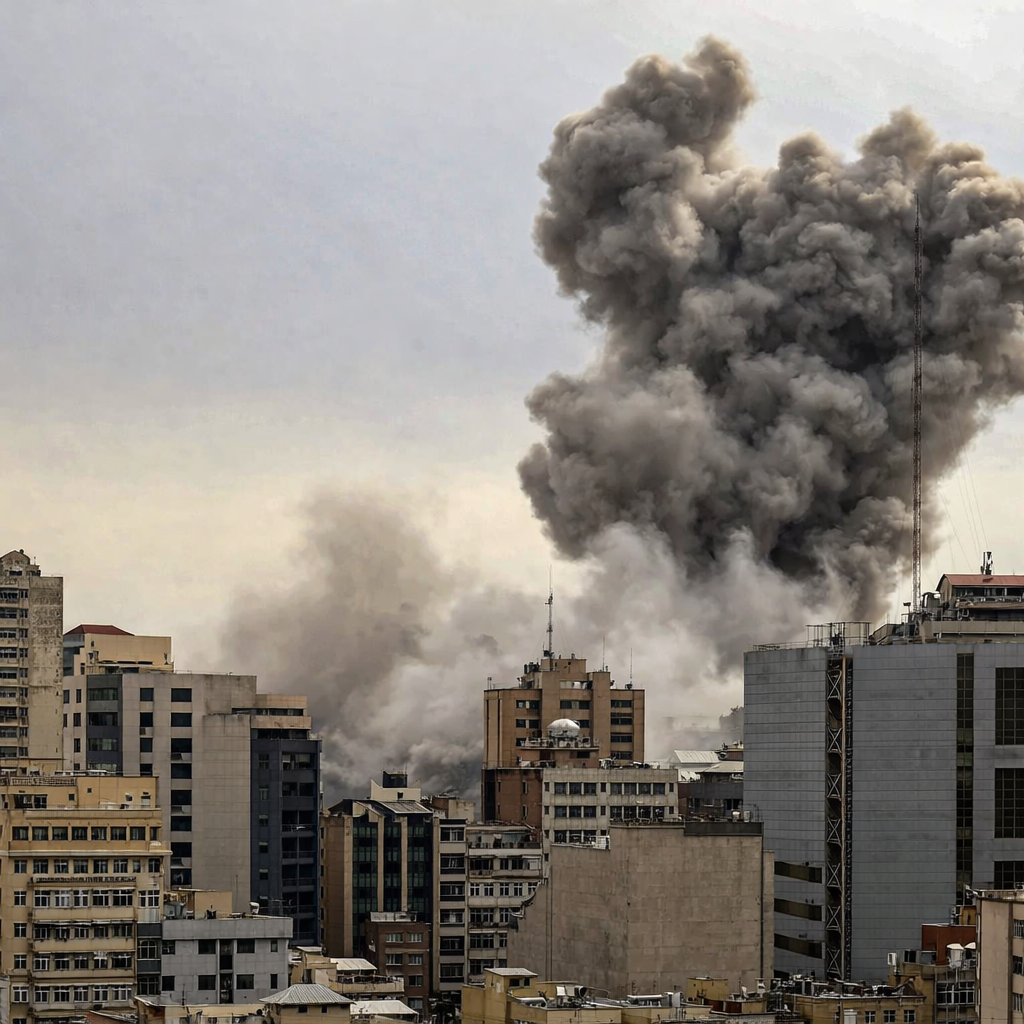
The financial numbers tell only part of the story. The campaign against Iran, which began on February 28, has killed approximately 2,000 people — mostly Iranians and Lebanese — as the conflict has spread across the region. Global energy markets and transport have been thrown into chaos, with oil prices spiking and the Strait of Hormuz effectively closed.
The school strike in Minab, which killed 168 people, including more than 100 children, has become a symbol of the war’s civilian toll. Preliminary investigations suggest U.S. forces were “likely” responsible, possibly due to outdated intelligence.
What Comes Next
The $11.3 billion figure is likely to grow. The war is now in its third week. The Pentagon’s stockpiles are dwindling. And the administration has not yet asked Congress for a dime.
When that request comes (and it will), the debate over the cost of war will shift from back rooms to the public floor. Democrats will demand answers. Republicans will face pressure to support the president. And the American people will learn, in dollars and cents, what their leaders have committed them to.
For now, the estimate stands at $11.3 billion for six days. The war continues. The meter keeps running.