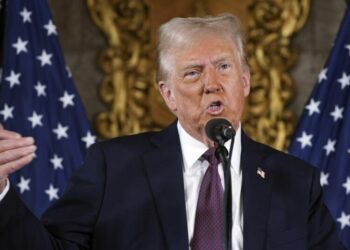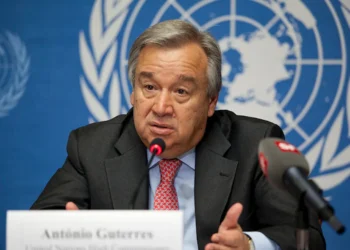

In a stunning diplomatic reversal, Spain has agreed to cooperate with the U.S. military, according to White House Press Secretary Karoline Leavitt. This sudden shift comes less than 24 hours after President Donald Trump threatened to impose a total trade embargo on Madrid, potentially cutting off billions in commerce over Spain’s refusal to support the U.S.-Israeli offensive against Iran.
“I think they heard the president’s message yesterday loud and clear,” Leavitt told reporters during a Wednesday briefing. “It is my understanding over the past several hours they’ve agreed to cooperate with the U.S. military.”
The Rota and Moron Standoff
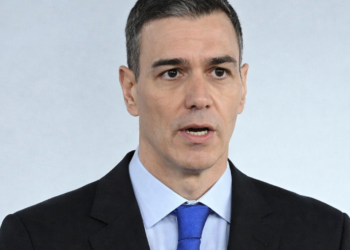
The conflict began when Prime Minister Pedro Sanchez banned U.S. aircraft from using the jointly operated Rota naval base and Moron air base for any missions related to the strikes on Tehran. Sanchez has been one of the most vocal European critics of the operation, branding the bombings “reckless and illegal” and warning of a “global disaster” akin to the 2003 Iraq War.
However, Trump’s response was swift and economic. During a meeting with German Chancellor Friedrich Merz, Trump claimed that “Spain has absolutely nothing that we need” and instructed Treasury Secretary Scott Bessent to investigate cutting off all dealings with the country.
“No to War” vs. “No to Vassals”
The political tension in Madrid is at a breaking point. On Wednesday morning, Sanchez doubled down on his “No to War” stance, comparing the current Middle East crisis to “playing Russian roulette with the destiny of millions.”
Hours later, Deputy Prime Minister Maria Jesus Montero issued a fiery statement asserting that Spain “will not be vassals” to any foreign power. Despite this defiant rhetoric, the White House’s announcement suggests that the threat of a trade war, which could devastate Spain’s olive oil, steel, and auto-part exports, has forced a recalibration of Madrid’s strategy.
EU Solidarity Under Pressure
While the European Union has expressed “full solidarity” with Spain, the reality of the U.S. market’s power appears to have dictated the outcome. Sources suggest that while Spain may still publicly oppose the war, it will now allow “defensive” logistics and refueling operations at its bases to avoid a catastrophic economic decoupling from Washington.
This move marks a significant victory for the Trump administration’s “hard-power” diplomacy, proving that even the most vocal anti-war leaders in Europe can be brought to the table when their domestic economy is on the line.