
The Strait of Hormuz was just the beginning. Now, the United States is taking its blockade of Iran to the world’s oceans.
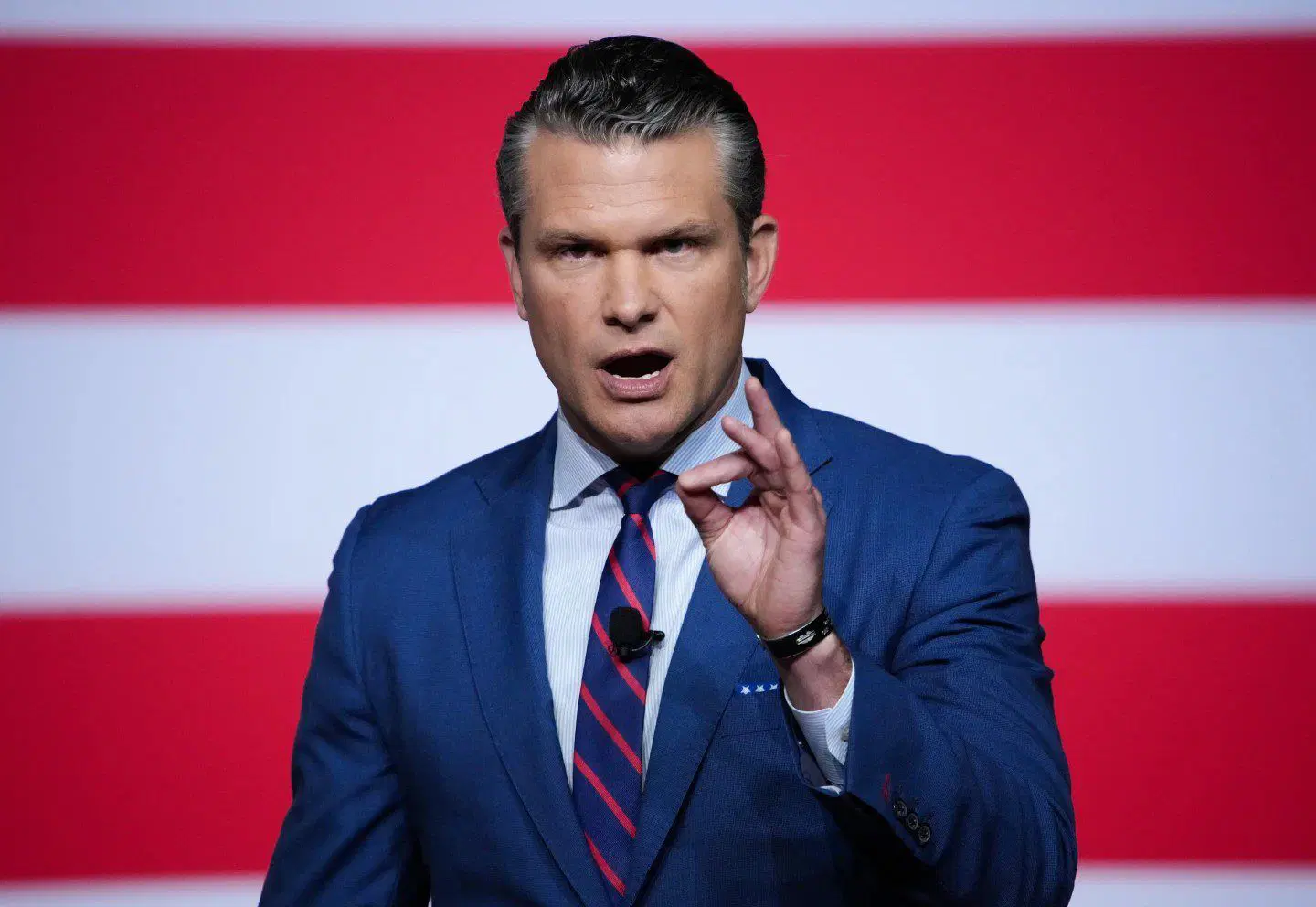
US Defense Secretary Pete Hegseth said on Friday that the US blockade on Iran is going global, adding that Tehran still has a chance to make a “good deal” with Washington. “Our blockade is growing and going global,” Hegseth told reporters. “No one sails from the Strait of Hormuz to anywhere in the world without the permission of the United States Navy.”
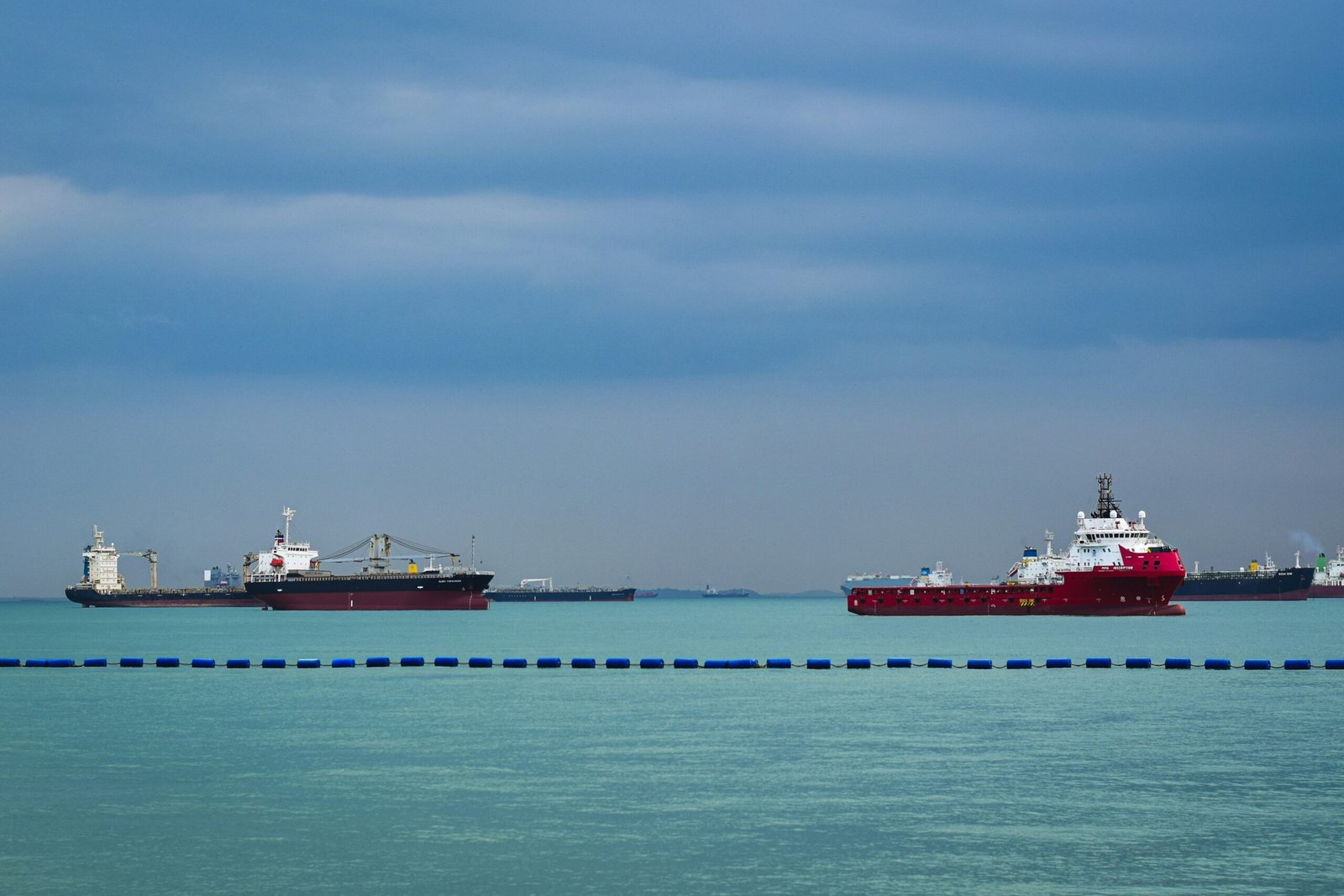
That is not a statement about the Persian Gulf. It is a statement about every ocean on the planet. The US Navy is signaling that it will intercept Iranian vessels not just near Iran’s coast, but anywhere they attempt to sail.
Peace talks between Iran and the United States could resume soon in Pakistan, three Pakistani sources told Reuters on Friday, after the last round of talks expected earlier this week fell through. But Hegseth struck a tone of patience, not urgency. Standing next to top US General Dan Caine, Hegseth said the US was “not anxious” for a deal with Iran and repeated Trump’s previous comments of having “all the time in the world.”
“Iran knows that they still have an open window to choose wisely … at the negotiating table. All they have to do is abandon a nuclear weapon in meaningful and verifiable ways,” he said.
The Global Scope
General Caine provided the operational details. The US Central Command continues to maintain a strict blockade on all ports in Iran. Thirty-four ships had been turned around as of Friday morning, he said. But then came the significant expansion. The US military would continue to interdict Iranian vessels in the Pacific and Indian oceans, Caine added.
“We’re enforcing the blockade across the board against any ship of any nationality that is transiting to or from an Iranian port or territory,” Caine said. “We’re closely tracking vessels of interest headed towards Iran and those moving away from Iran that were outside the blockade area when this blockade was ordered, and we’re prepared and postured to intercept them.”
The blockade began on April 13. In less than two weeks, it has moved from the Persian Gulf to the Pacific. That is not a gradual escalation. It is a dramatic expansion of the US military’s reach.
The Strait of Hormuz
Hegseth also warned that any attempts by Iran to lay mines in the Strait of Hormuz would be a violation of the ceasefire. The strait remains the most dangerous chokepoint in the conflict. Iran has threatened to mine the waterway. The US has warned that doing so would be a red line.
“Transit is occurring, much more limited than anybody would like to see and with more risk than people would like to see, but that’s because Iran is doing irresponsible things with small, fast boats … with weapons on them,” Hegseth said.
The picture he paints is one of constrained, risky passage. Ships can still move through the strait. But they do so under the watch of Iranian fast boats and the threat of US interception. The blockade has not stopped all traffic. But it has changed the calculus of every ship captain and shipping company considering a voyage to or from Iran.
The Diplomatic Window
Despite the military escalation, Hegseth left the door open for diplomacy. Iran “still has an open window to choose wisely at the negotiating table.” The condition is clear: abandon nuclear weapons in meaningful and verifiable ways.
Pakistan remains the lead mediator. A new round of talks could resume soon. But Hegseth’s tone suggests the US is not rushing. “All the time in the world” is a phrase of confidence, not desperation. The US believes it has the upper hand. The blockade is expanding. Iran’s economy is under pressure. The question is whether Tehran will come to the table before the pressure becomes unbearable.
What This Means
The US has taken its blockade of Iran global. That means Iranian vessels attempting to sail anywhere — from the Pacific to the Indian Ocean — now risk interception. It means the US Navy is not just patrolling the Persian Gulf. It is patrolling the world’s shipping lanes with a specific mission: stop anything connected to Iran.
For Iran, the blockade is now a global stranglehold. For the US, it is a massive deployment of naval resources. For the rest of the world, it is a dramatic escalation of a conflict that has already disrupted global energy markets and raised the specter of wider war.
Hegseth says the US is not anxious for a deal. But the blockade is a tool designed to force a deal. The expansion to global waters suggests the US believes that more pressure, not less, is the path to Tehran’s compliance.
The Bottom Line
Defense Secretary Pete Hegseth announced Friday that the US blockade on Iran is “going global.” General Dan Caine said the US military will interdict Iranian vessels in the Pacific and Indian oceans. Thirty-four ships have been turned around as of Friday morning. The blockade began on April 13.
Peace talks could resume soon in Pakistan, but Hegseth said the US is “not anxious” for a deal. Iran still has an “open window” to choose wisely, he said, by abandoning nuclear weapons in meaningful and verifiable ways. Hegseth also warned that any Iranian attempt to mine the Strait of Hormuz would violate the ceasefire.