
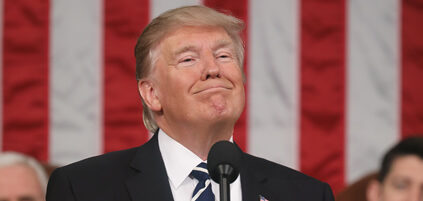
Donald Trump is once again shaking global politics, this time by insisting that the United States must own Greenland, even as he says he will not use war to get it. Speaking openly before world leaders, Trump tried to calm fears of military action while still pushing an idea that many see as dangerous, unrealistic, and deeply provocative.
No War, But No Backing Down
At a global summit in Davos, Trump said clearly that he would not use force to take Greenland from Denmark. He stressed this point repeatedly, almost as if responding to growing global fear.

“I don’t want to use force. I won’t use force,” he said.
But in the same breath, he reminded everyone that the U.S. could do so if it wanted. He described American military strength as “unstoppable,” a word that did not sound peaceful to many listening.
So while Trump says no war, he also leaves the threat hanging in the air.
Ownership Is Still the Goal
Despite ruling out force, Trump made it clear that ownership of Greenland remains his objective. He demanded immediate talks with Denmark and said the U.S. is the only country capable of protecting and developing the island.
In his words, Greenland is too important to be left as it is.
This is where the real concern lies. Saying “no war” sounds calm, but insisting on ownership of another country’s territory is still a serious challenge to international norms. It raises a simple question: if not force, then what pressure will be used?
Why Greenland Matters to Trump
Trump has long argued that Greenland is vital to U.S. security. Its location in the Arctic, its size, and its natural resources make it attractive as global competition in the region grows.
Russia and China are both increasing their Arctic presence. Trump believes the U.S. must move fast or lose influence. From his view, this is a strategy, not aggression.
But to Europe, and especially Denmark, it sounds like a powerful country trying to bully a smaller ally.
Allies Feel the Pressure
Denmark has already made it clear that Greenland is not for sale. Greenland itself has also said it wants to decide its own future.
Trump’s comments put NATO allies in a difficult position. How do you respond when a partner talks about owning part of your territory, even without war?
This is why many European leaders see Trump’s language as risky. Peace is not only about avoiding guns and bombs. It is also about respect, consent, and trust.
A Dangerous New Style of Diplomacy
What makes this situation troubling is how openly it is being discussed. Trump is not speaking in coded diplomatic language. He is blunt, direct, and unapologetic.
To his supporters, this is honesty and strength. To critics, it is reckless and destabilising.
By framing global security around ownership and control, Trump is pushing a hard view of world order, one where power decides what is “best” for everyone else.
Calm Words, Heavy Meaning
Trump’s promise not to use force may ease immediate fears, but his insistence on U.S. ownership of Greenland keeps tensions alive. It sends a message that peace is optional, but control is not.
This is why the world is watching closely. Not because tanks are moving today, but because ideas like this, once normalised, can change how nations treat one another tomorrow.
Greenland has become more than ice and land. It is now a symbol of how far power can stretch, even without war.