
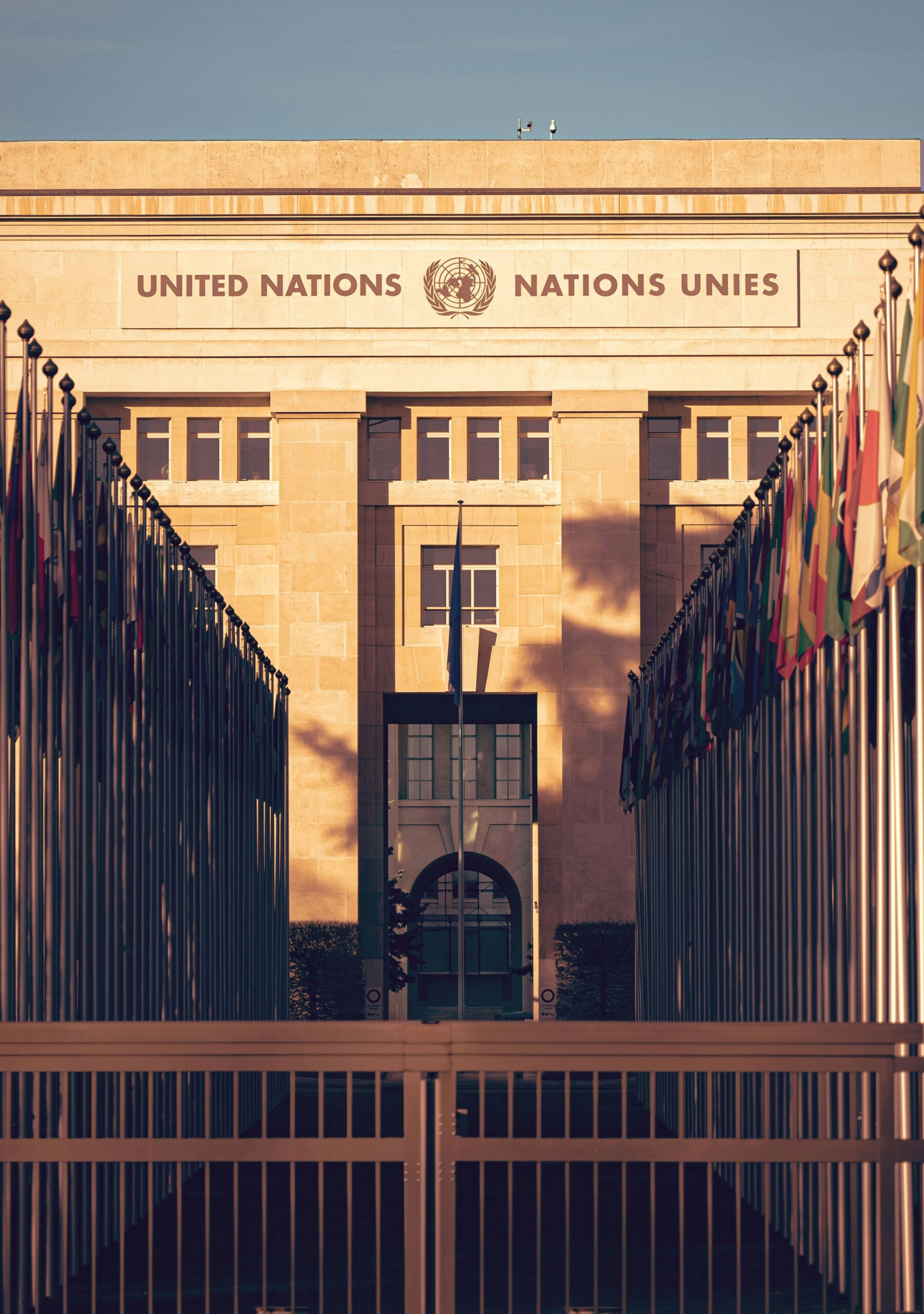
The news that US aid to the United Nations will drop to $2 billion in 2026 has stirred serious concern among international agencies.
This is a huge cut compared to what the US has given in recent years, and many experts warn it will hit the world’s most vulnerable people hard.
Aid on the decline
For decades, the United States has been the largest contributor to UN humanitarian programs. But numbers show a sharp fall: in 2025, US contributions dropped to $2.7 billion, down from about $11 billion in 2023 and 2024, and even higher in 2022. Now, the pledge of $2 billion for next year signals a worrying trend for global aid.
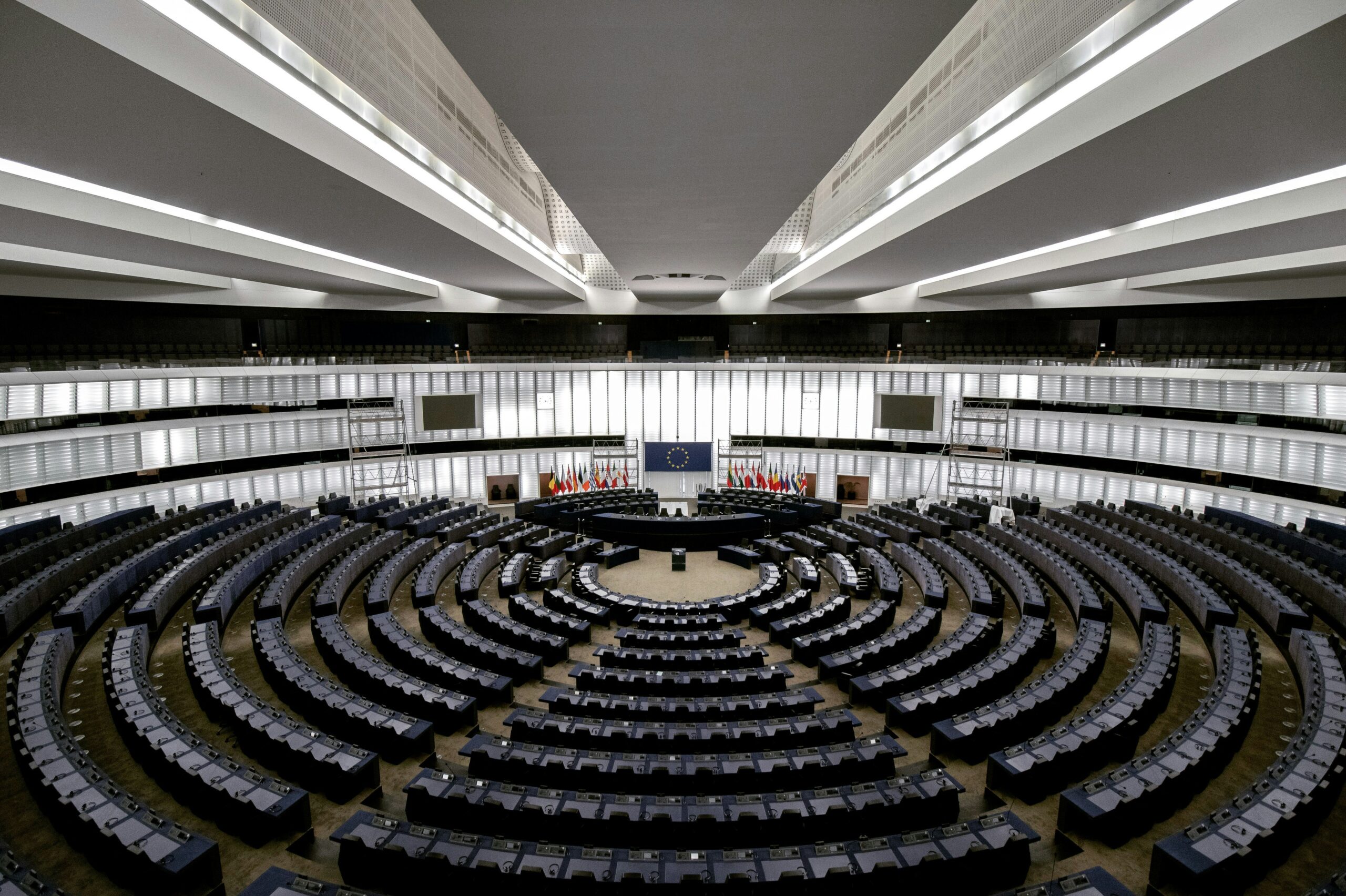
The UN depends on such funding to respond to emergencies in countries facing wars, famine, and natural disasters. Fletcher, the UN aid chief, has stressed that reducing funds does not reduce needs. Millions of people around the world, in places like Gaza, Ukraine, Sudan, Haiti, and Myanmar, continue to need urgent help.
Who suffers most
Cuts in aid directly affect children, women, and families living in conflict zones. Hospitals, schools, and refugee camps may see shortages. In areas struck by famine or disease, delayed aid can cost lives. It is not just numbers on paper; it is a matter of life and death for millions.
Political implications
The decline in US funding also reflects shifting political priorities. Some say foreign aid is being seen less as a global responsibility and more as a domestic concern. Critics warn that reducing aid undermines America’s influence and soft power on the world stage, while leaving crises to worsen without international support.
UN response
UN officials are already voicing alarm and urging Washington to reconsider. They highlight that needs remain high: around 240 million people globally require emergency support, far more than the reduced aid can cover. Last year, even with $12 billion, the UN was able to reach only 98 million people, 25 million fewer than the previous year.
Looking ahead
If these cuts go ahead, countries and aid organizations will struggle to meet basic needs. UN programs in nutrition, health care, water, and shelter may face severe strain. Fletcher and other UN leaders insist that humanitarian crises do not wait for politics; people will continue to suffer unless funding increases.
Bottom Line
The decision to reduce aid, as highlighted in the report of the UN is not just a financial choice, it is a moral one. It puts millions at risk and signals a troubling shift in global responsibility. International observers and humanitarian groups are watching closely, hoping that the United States will rethink and step up before the coming year begins.