

Do you remember sitting on a cold cement floor with your cousins, your eyes glued to a heavy, box television? In that dimly lit room, we watched him descend into a dark room filled with men in red robes. We saw the fear in his eyes, but we also saw the greed that had swallowed his heart. When the blade came down, and he sacrificed his beautiful wife, Merit, for a suitcase full of money, a collective gasp shook the parlor. We were children, but we understood the horror. We wondered why a man would kill the only person who loved him when he was poor just to drive a Mercedes-Benz through the streets of Enugu. That trauma did not just belong to us; it belonged to every Nigerian household that owned a VHS player. That was the power of Enugu.
Why Enugu is the Mother of Us All
If you want to understand Nollywood, you must stop looking at the shiny billboards in Lagos and look at the red dust on your shoes right here in the Coal City. Before this industry became a corporate machine with Netflix budgets and glass offices, there was the rugged spirit of the East. Enugu was not a background; it was a character. In the early nineties, if you were not filming in the shadow of the Udi Hills, your movie lacked a soul. The city had a cinematic texture that you cannot find anywhere else. You could walk from the fading colonial houses in Independence Layout to the silent pines of Ngwo in a single afternoon. It gave Africa a visual language it had never seen before.
However, Enugu today feels like visiting a legendary actress who has refused to leave her dressing room for thirty years. The city that invented the game has fallen into a comfortable, dusty nap. There is a haunting beauty in the decay, but there is also a massive amount of frustration for those of us who know the history. How does the pioneer of a multi-billion-dollar industry look so unbothered by its own decline? Enugu is the mother who raised the stars, watched them move to penthouses in Lekki, and stayed behind to sweep the porch of history while the rest of the world moved on.
The Kenneth Nnebue Miracle
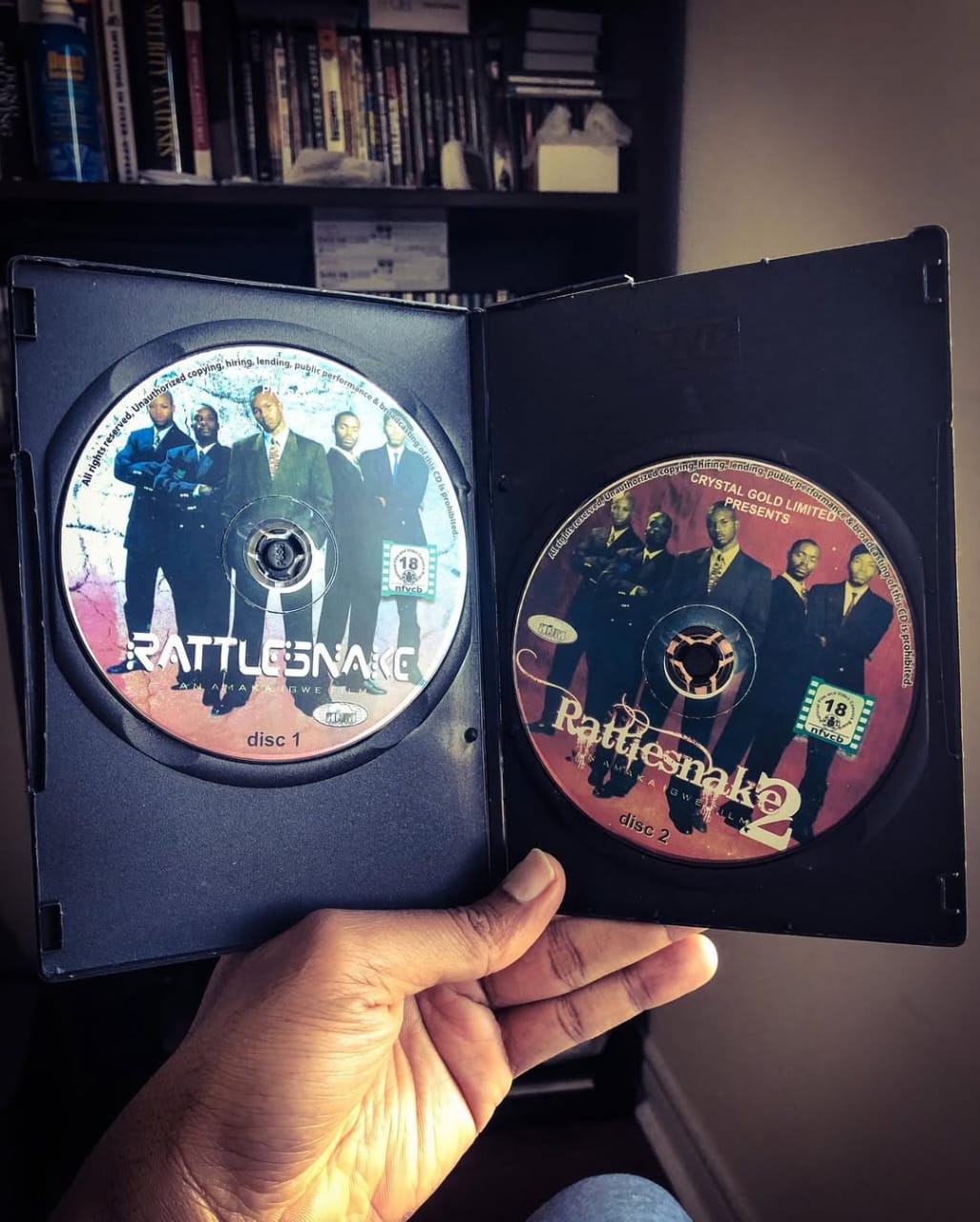
We must talk about Kenneth Nnebue because his hustle is the reason we even have an industry to argue about. The story of Living in Bondage is pure Nigerian madness. Nnebue was an electronics dealer with a mountain of blank VHS tapes he could not sell. Instead of crying over a bad business move, he decided to create the content himself. He did not just make a movie; he birthed a market. He filmed a supernatural thriller in Igbo that hit every nerve in our psyche: the greed, the rituals, and the family betrayals.
That movie worked because it was unapologetically local. It proved that we were starving to see our own mess on screen. Andy Okeke became the blueprint for every desperate man we have seen in movies since. Nnebue turned a surplus of plastic tapes into a cultural weapon, and Enugu was the armory where he sharpened it.
The Hall of Fame
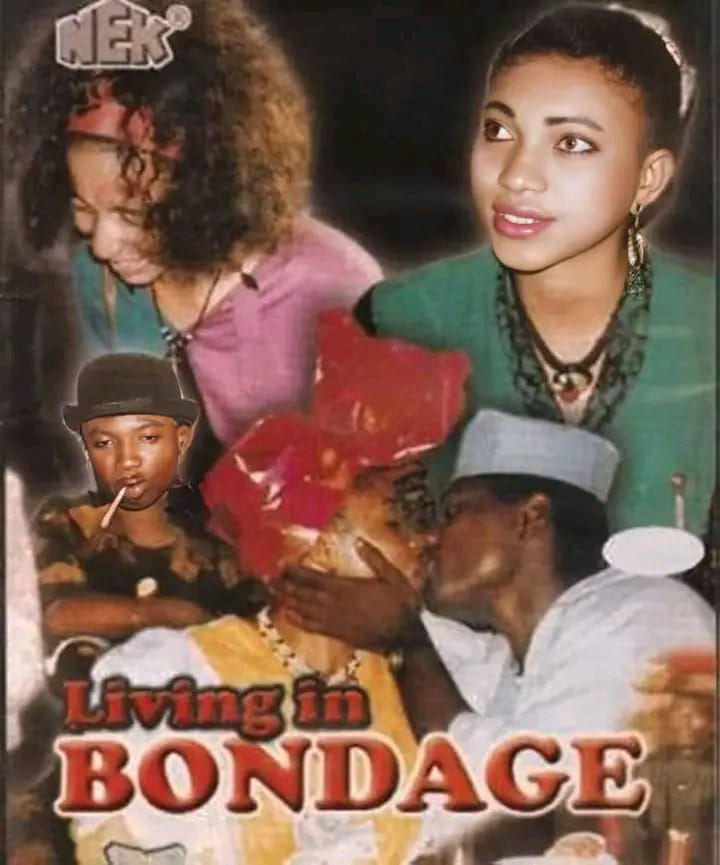
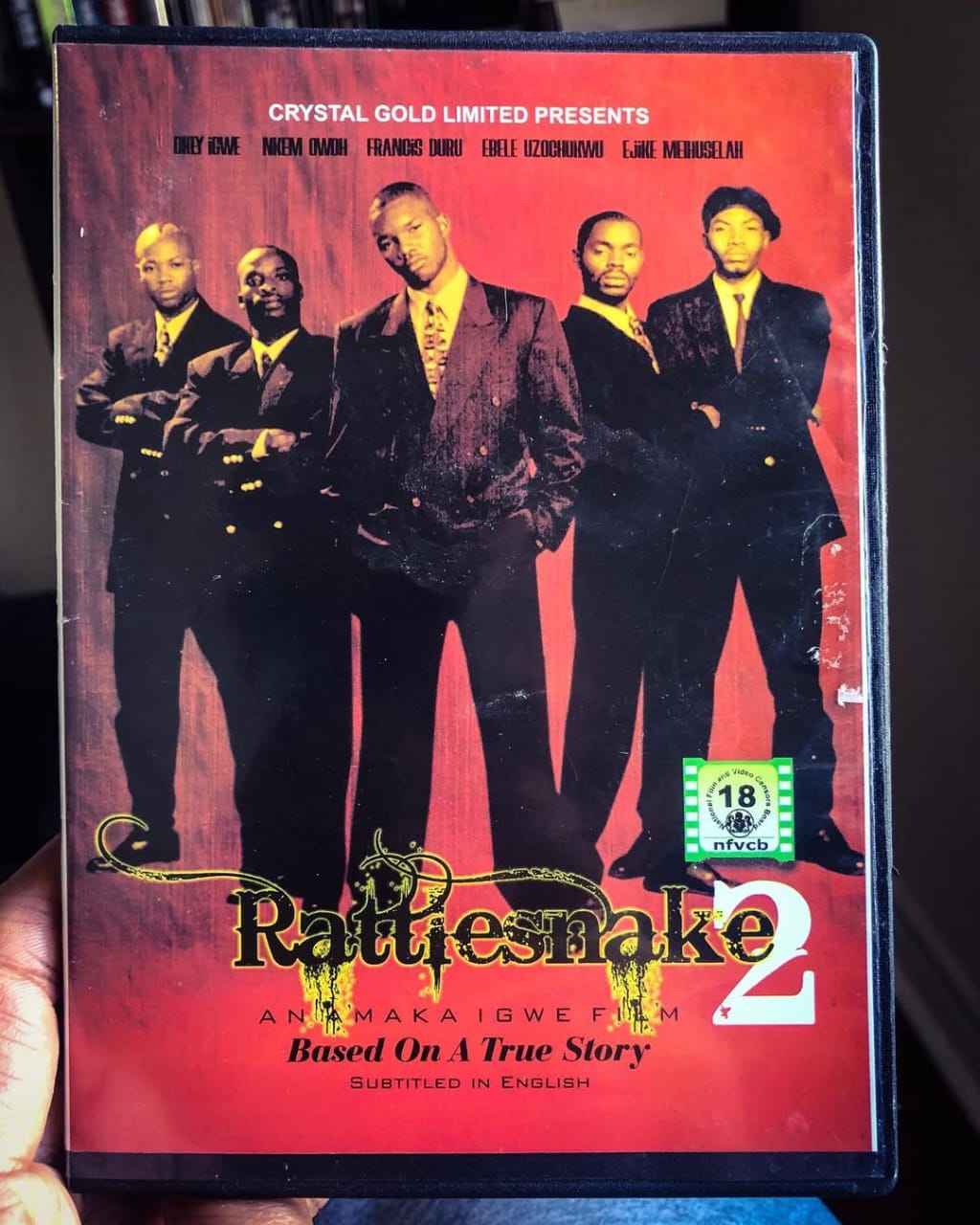
You can almost hear the ghosts of directors yelling for silence on set. Enugu was the playground for the masters. Amaka Igwe took this city and turned it into a gritty masterpiece for Rattlesnake. You cannot tell me you do not remember the tension in those scenes. This city was the talent pipeline for the people we now call royalty. The Hotel Presidential was the headquarters of the industry. That is where scripts were written, and deals were sealed over pepper soup and cold beer. That is where the actual blueprint for African fame was drawn.
A Queen Losing Her Edge
Enugu has allowed itself to become a museum of yesterday. While Lagos was busy building cinema chains and the glamour of award shows, Enugu stayed still. Those same hills that gave Issakaba its grit are now just backdrops for a city that has lost its fire. The “Film Village” projects we have been promised for decades are basically urban legends at this point.
It hurts to see the place that started a global revolution struggling to keep the lights on for the new generation. The buildings are tired, the iconic colonial houses are being replaced by ugly plazas, and every creative person is running to the chaos of Lagos because Enugu forgot how to innovate. It traded its pioneer status for nostalgia, and in this business, nostalgia does not pay the bills. It is like watching a queen lose her crown because she is too tired to keep her head up.
The Resurrection: Reclaiming the Coal City Crown
Despite all the salt, you cannot kill the spirit of a pioneer. There is a reason why big directors still sneak back to the East when they want a story to have actual weight. New Nollywood might have the money, but Enugu still has the texture. To get back on top, the city must stop acting like it is still 1992. It needs to stop being the place where movies used to be made and start being the place where the future is shot.
The red dust is still here, waiting to get on the boots of the next visionary. Whether the city likes it or not, it is the foundation. It is the soil where our first cinematic dreams were planted. Even if it is currently covered in the dust of its own history, you can still feel the heartbeat of a masterpiece waiting to happen. Enugu is not dead; she is just in the middle of a very long, very dramatic pause. She is waiting for us to remind the world who the real Mother of Nollywood is.