
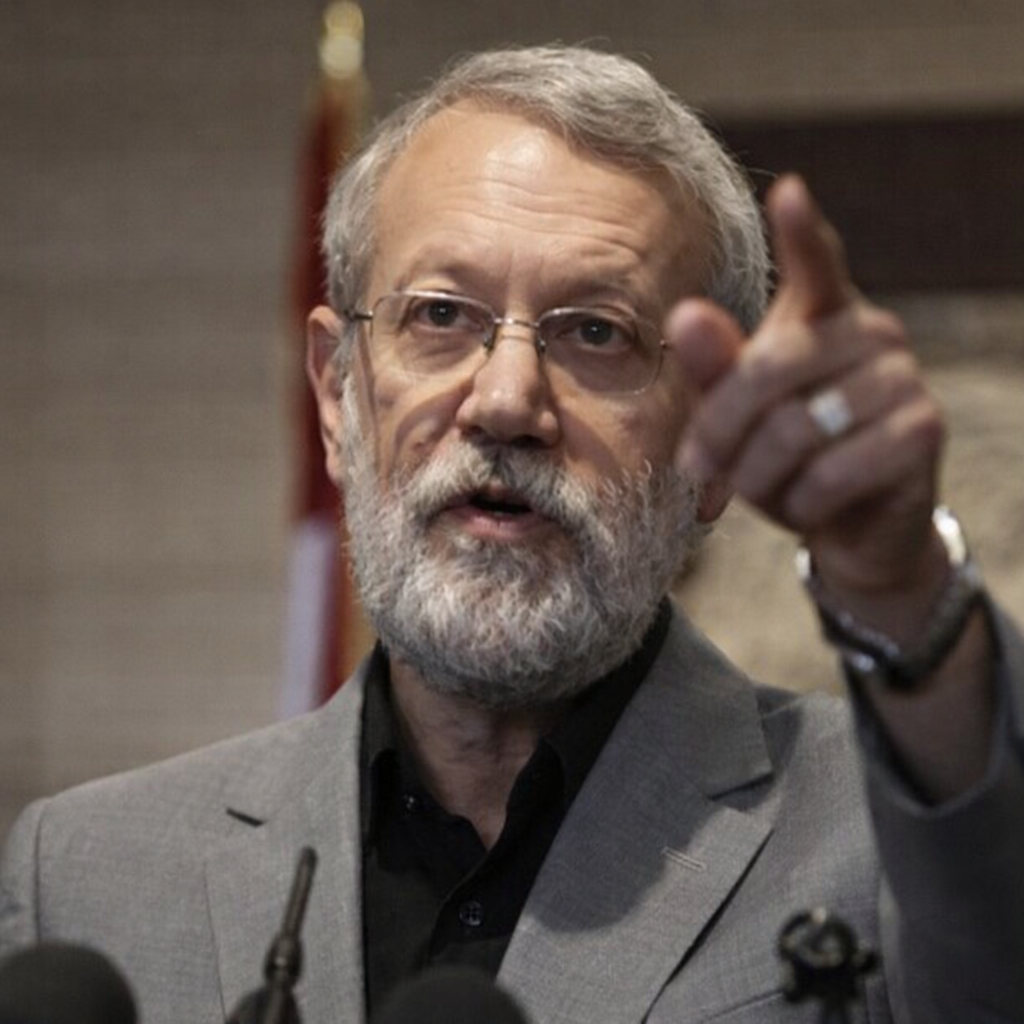
The assassination of Ali Larijani, Iran’s most sophisticated powerbroker, marks the end of an era for Iranian statecraft and the final collapse of any realistic diplomatic “off-ramp.” While the U.S.-Israeli war on Iran began with the decapitation of the Supreme Leader, the loss of Larijani is structurally more devastating. He was the only figure capable of translating the brutal “battlefield realities” of the IRGC into a coherent political strategy. Without him, Tehran has lost its brain, leaving only its muscle and a trigger finger that is growing increasingly restless.
The Vanishing Middle Ground
Larijani was a rare breed in the Islamic Republic: a man with impeccable clerical pedigree who could also speak the language of the Revolutionary Guards. He acted as the essential “connective tissue” between the competing power centers of the mullahs and the military. With his removal, the pool of experienced officials capable of managing both war and diplomacy has effectively dried up.
Senior officials speaking to Reuters admit that his death has plunged the government into a state of “fragmented and reactive” governance.
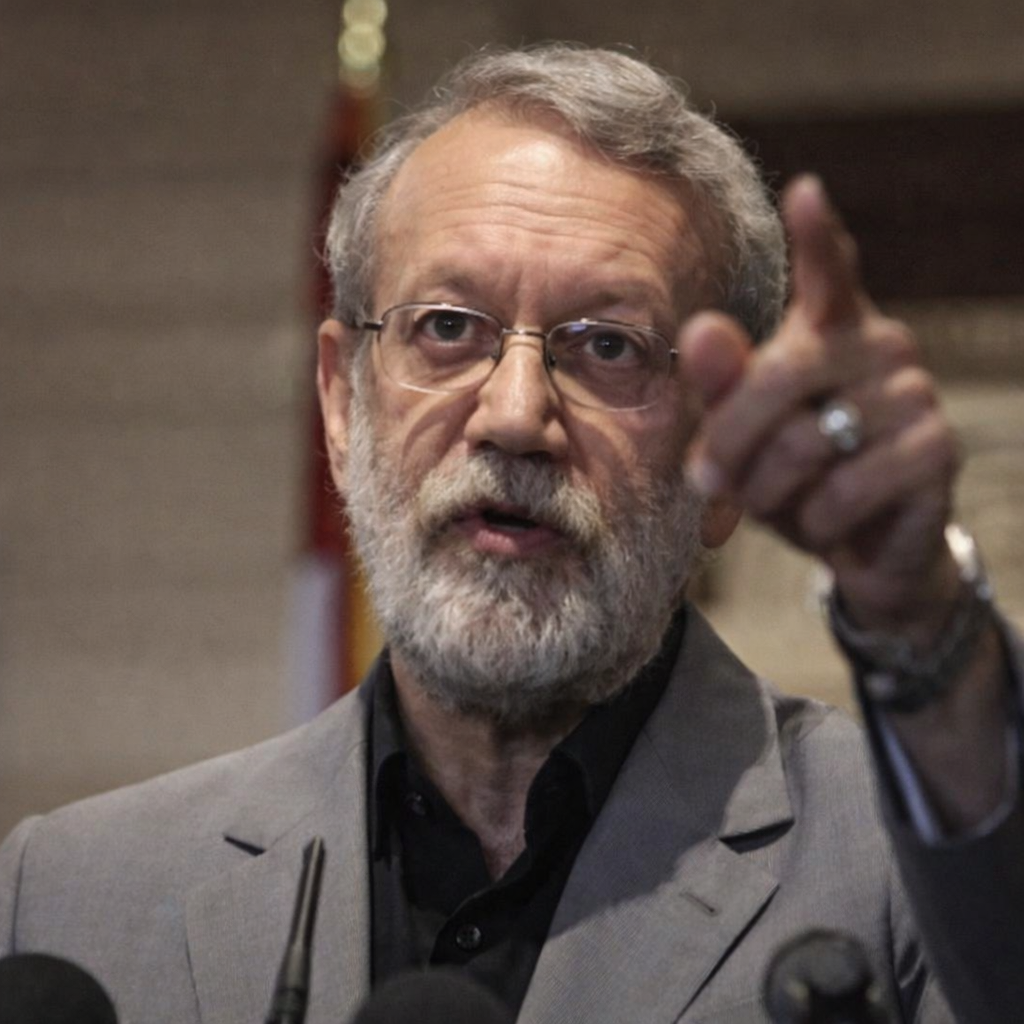
As the International Crisis Group noted, Larijani was the last senior figure capable of exercising “prudence at a dangerous moment.” His absence shifts the regime from a strategy of “calculated endurance” to one of “blind survival.”
The system is now tilting entirely toward its security institutions. This “security-driven mode” ensures the war continues but leaves no one at the table with the authority or the nuance to negotiate an end to it.
The Rise of the “Button-Pushers”
With Larijani gone, the spotlight has shifted to Parliament Speaker Mohammad Baqer Qalibaf. While Qalibaf has the military credentials and the “strongman” persona favored by the new Supreme Leader, Mojtaba Khamenei, he lacks the clerical legitimacy and deep religious ties that Larijani possessed. This creates a dangerous imbalance.
According to former Mossad analysts, the emerging power structure is now a duopoly: Qalibaf makes the political decisions, and the IRGC “pushes the button.”
This streamlined command chain might be efficient for launching missiles at Tel Aviv, but it is disastrous for the “policy flexibility” required to prevent total state collapse. The Islamic Republic is no longer a theocratic republic, it is a praetorian state on a war footing.
Trump’s Gamble and the Death of the Deal
From my perspective, the U.S. and Israel are playing a high-stakes game of “decapitation diplomacy” that is likely to backfire. By picking off the “moderates” and the “prudent” powerbrokers like Larijani, Trump is effectively making it impossible for Iran to surrender. You cannot negotiate with a regime in “disarray.”
Trump has mocked the Iranian leadership as “lightweights,” but he is failing to realize that by killing the “heavyweights,” he is left with a wounded, cornered animal that has nothing left to lose but its survival. Larijani was the only man who could have sold a “face-saving” deal to the clerics and the Guards alike. By killing him, the U.S. has ensured that the only way this war ends is through the total annihilation of the regime or a global energy catastrophe that Trump’s $5 diesel prices suggest he isn’t ready for.