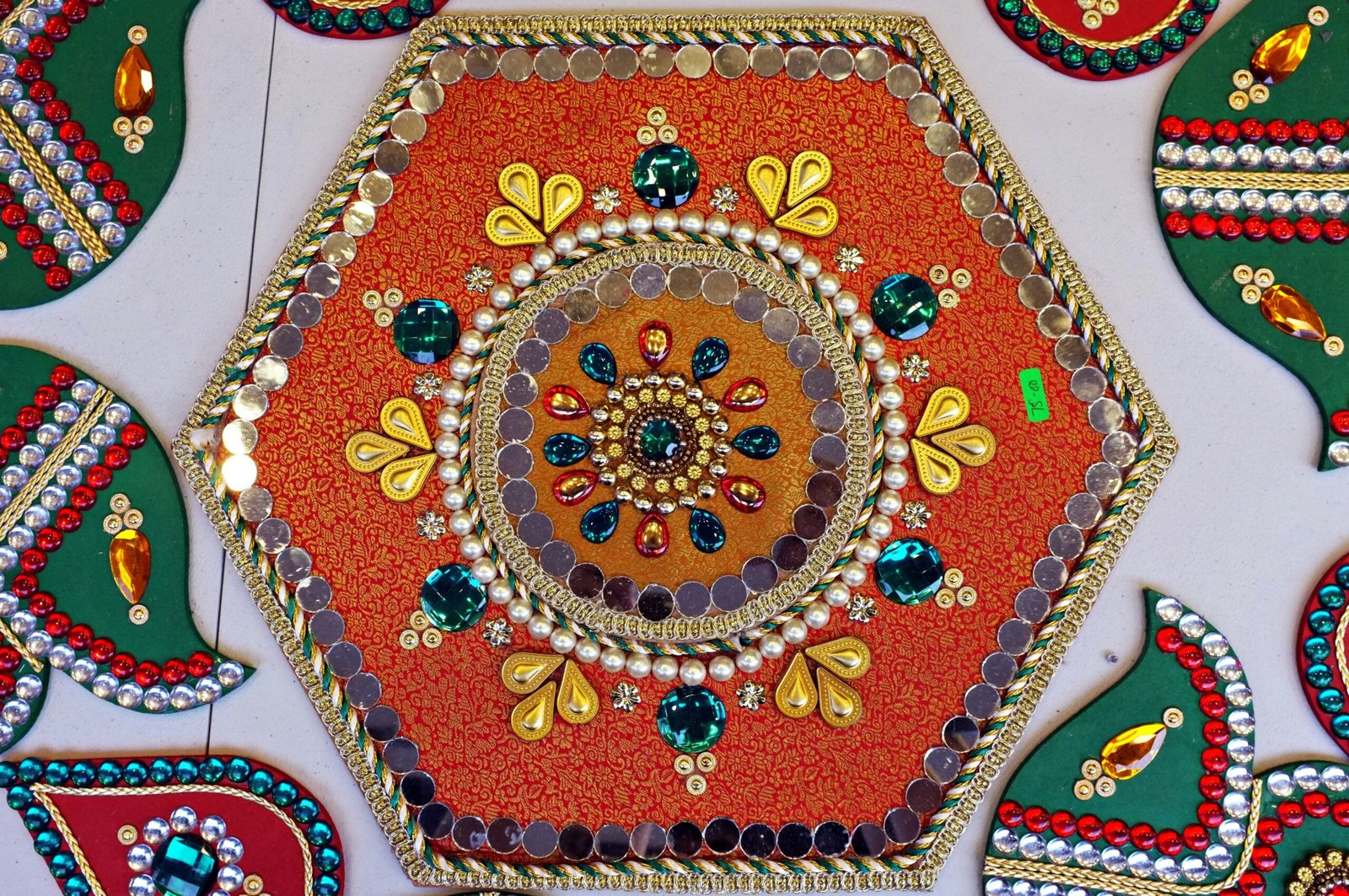

There was a time when the perfect aso-ebi was judged by two things: the fabric and the tailoring. A nice lace, a well-structured corset, and you were done. But if you have attended any wedding or owambe in the last year, you have noticed something different. The women turning heads are not only wearing fabric, but they are also wearing beadwork.
Hand-embroidered floral patterns. Cascading fringe details. Coral beads stitched into a traditional gele. Even the gele itself—once purely about volume and structure—is now being embellished with beads and crystals, turning it into a true fashion art form. What was once reserved for brides and royalty has now trickled down to every guest who wants to make a statement.
And the trend is not slowing down. Here is why beads are currently the most exciting thing happening in Nigerian aso-ebi fashion.
From Royal Courts to the Runway
To understand why beadwork is having this moment, you have to go back. Way back.
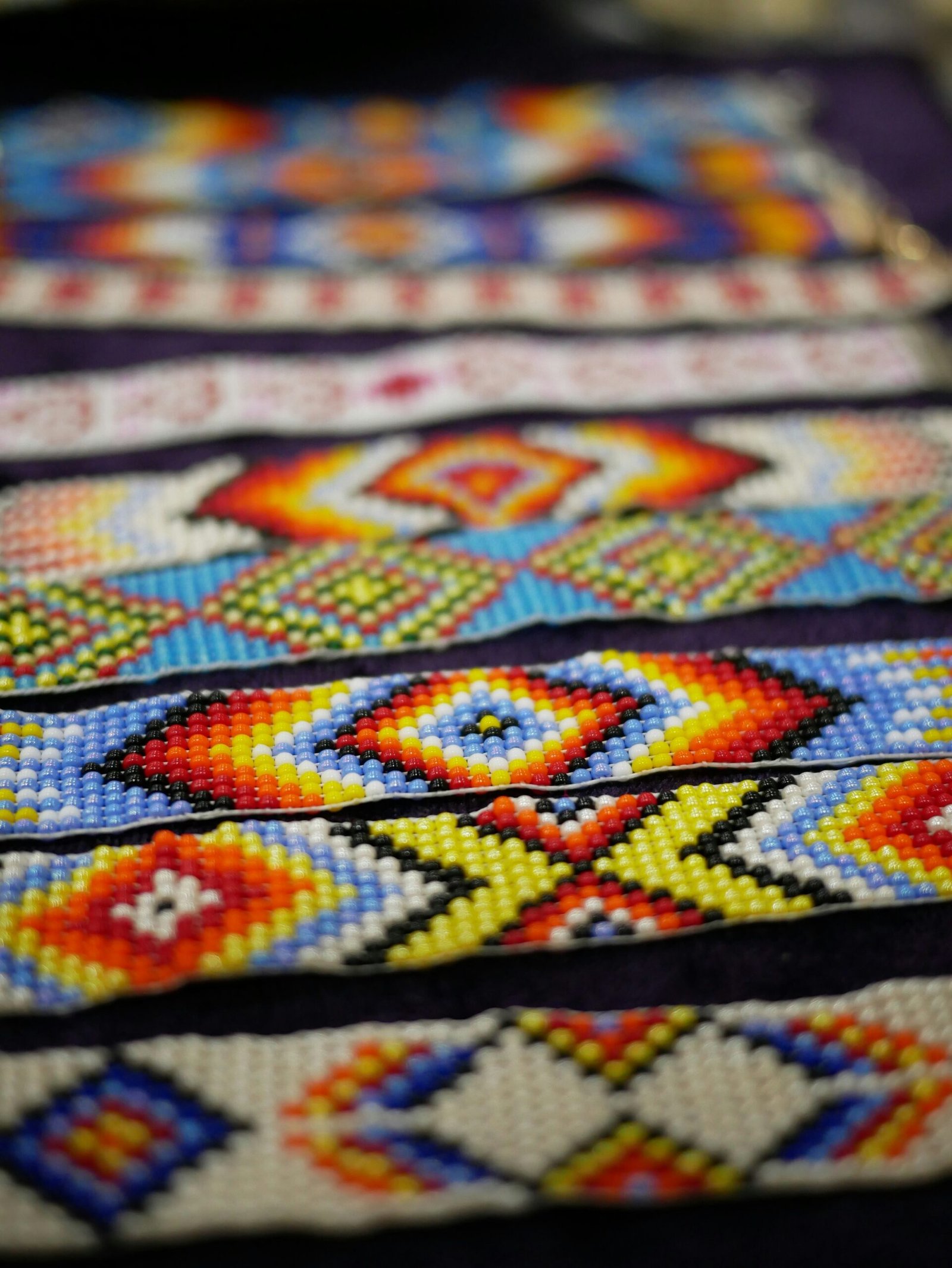
Hand beading is one of humanity’s oldest art forms, with roots tracing back over 72,000 years in African cultures. Early examples used shells, stones, nuts, seeds, and carved wood for ornamentation on clothing and accessories. In Nigeria specifically, this craft emerged prominently during the Nok culture (around 900 BC to 200 AD) — one of Africa’s earliest known civilisations. Nok terracotta figures depict human beings wearing strings of stone beads around their necks, wrists, and ankles, confirming that beads were already deeply tied to leadership and wealth during this period. The tradition continued through influential kingdoms like Ife and Benin by around 1000 AD, with the Benin people learning bronze casting from Ile-Ife and producing elaborate beaded works.
Beadwork quickly became intertwined with Nigeria’s diverse ethnic traditions. The Yoruba are renowned for their elaborate beadwork, from royal crowns to ceremonial garments, where beads symbolised authority and prestige. Among the Yoruba, beads are believed to help seal in spiritual forces, and only those who could mediate between the human and spirit worlds were allowed to wear them. The Igbo embrace bold coral pieces, waist beads (called Mgbájí), chest adornments, and festival accessories that express identity and storytelling. The use of waist beads in Igbo culture dates back to 500 BC and is worn by both men and women across all social classes during festivities and traditional ceremonies. In the North, the Hausa use finely arranged glass beads to decorate clothing, turbans, and horse regalia, creating clean, geometric patterns that exude elegance and precision.
Although today’s designers often work with crystals, pearls, and rhinestones instead of coral or glass, the essence remains unchanged. Every bead carries a history, a craft, and a cultural pride that began long before modern fashion caught on.
What Beaded Aso-Ebi Looks Like in 2026
The corset gown. The peplum blouse. The mermaid silhouette. The off-shoulder neckline. Each of these aso-ebi staples is now being elevated with beadwork. Hand-beaded floral patterns crawling up a bodice. Cascading bead fringe on a peplum edge. Delicate bead embroidery tracing a neckline. Even the gele—the headtie—is getting the bead treatment, with tiny crystals or coral beads woven into the folds.
The styling has shifted from simple to spectacular. Modern aso-ebi now features sculpted corset bodices, dramatic sleeves, and hand-beaded embellishments that make each outfit feel like a custom commission rather than a uniform. And because everyone in the group wears the same fabric but styles it differently, beads are becoming the way individuals stand out while still belonging.
Why Brides Are Choosing Beaded Looks
Weddings in Nigeria are not just ceremonies. They are fashion laboratories where designers test bold ideas before scaling them into ready-to-wear collections. A bride’s commission allows a designer to work with luxurious fabrics, intricate beadwork, and cutting-edge silhouettes that would be too elaborate for everyday wear.
For Igbo brides, heavily beaded two-piece outfits made from awkaocha or akwete are a signature—the red beadwork is both a cultural statement and a visual anchor . For Yoruba brides, coral beads remain iconic, worn as necklaces, crowns, and embellishments on aso-oke. In both cases, the beadwork tells a story: family, heritage, celebration.
The result is that bridal fashion directly influences aso-ebi trends. When a bride commissions a heavily beaded gown, her guests feel the pressure—and the permission—to show up equally embellished.
The Real People Driving the Trend
You cannot talk about this trend without mentioning the artisans. Hand beading is slow work. A single outfit can take weeks of hand stitching, thousands of beads, and precision work from beaders who have spent years mastering their craft.
The renewed popularity of beads and waist beads has sparked fresh interest in traditional craftsmanship. Local artisans and bead makers are benefiting from increased demand, creating economic opportunities while keeping age-old skills alive. Beyond the weddings, designers partnering with these artisans ensure that traditional techniques evolve without losing their meaning or origin.
And the consumers are not just older women. Nigerian youth have embraced waist beads, anklets, and embellished accessories as statements of identity, creativity, and pride in their roots. Social media has accelerated the trend, with influencers and fashion bloggers regularly featuring beads in their content, inspiring followers to embrace the look.
The Controversy: Are We Diluting the Culture?
Not everyone is thrilled. Critics argue that the commercialisation of traditional beadwork risks diluting its spiritual and historical significance. When beads become a fashion trend rather than a sacred adornment, something can get lost.
But the counterargument is persuasive: wearing beads keeps the craft alive. As long as wearers take the time to learn the historical and cultural contexts behind what they are wearing, the tradition is not being erased—it is being adapted. And adaptation is how culture survives.
When a young bride in Lagos wears coral beads on her wedding day, she may not know the centuries of history behind them. But she knows they are important. And that instinct—to reach for something meaningful, something that connects her to something bigger—is itself a form of cultural preservation.
The Future: Beads Are Not Going Anywhere
As Nigeria’s wedding industry continues to grow—estimated to be worth millions annually—the demand for beaded aso-ebi will only increase. Designers are already experimenting with bouquet bags embellished with beads, pearl handles, and sculpted floral accessories that sit between fashion and floristry. For Edo brides, imagine coral-beaded accents on a bouquet bag. For Yoruba ceremonies, delicate gold beadwork.
The trend has even moved beyond weddings. During Eid-el-Fitr 2026, beaded bags and statement earrings were the finishing touches seen in abundance across Lagos, Kano, and Abuja. At the recent Berklee in Nigeria Grand Finale, Tiwa Savage stunned in a custom Lisa Folawiyo look featuring a raffia top with coral-toned stripes and a beaded fringe skirt. Beads are no longer just for weddings. They are for every celebration.
Takeaway
Beads are the defining detail of aso-ebi fashion in 2026. They take the standard uniform—the same fabric worn by fifty other women—and make it yours. The colour makes you blend in. The beadwork makes you stand out.
Whether you are a bride commissioning a once-in-a-lifetime gown, a guest trying to turn heads at the reception, or just someone who loves the feel of handcrafted art against your skin, beads are how you say: I showed up. I celebrated. And I refused to be ordinary.
So next time you pick your aso-ebi fabric, do not stop at the tailor. Think about the beads. The artisans who will stitch them. The tradition you are continuing. And the heads you are about to turn.