

Few stories in Nigeria’s recent history have left as deep a scar as the abduction of schoolgirls from Chibok in 2014. While the tragedy has been widely discussed in news reports and political conversations, the film Mothers of Chibok takes a different approach. Instead of focusing solely on the event itself, the film shifts attention to the lives that were left behind — particularly the mothers who continue to live with the consequences of that horrific night.
Directed by Joel Kachi Benson, the film explores grief, endurance, and hope through the eyes of women who must carry on with life while uncertainty about their daughters’ fate lingers.
A Story Rooted in Real Pain
The narrative centres on four mothers — Lydia, Miriam, Yana, and Aisha — whose daughters were among the hundreds of students abducted from their school in Chibok by the extremist group Boko Haram.
According to the film’s premise, these women struggle to rebuild their lives while continuing to prioritise education for their remaining children. Their determination becomes even more meaningful when one remembers that the attack itself was meant to discourage Western education, particularly for girls.
The film commemorates the tenth anniversary of the infamous kidnapping of 276 girls from the Government Girls Secondary School in Chibok — an event that sparked global outrage and the well-known #BringBackOurGirls campaign.
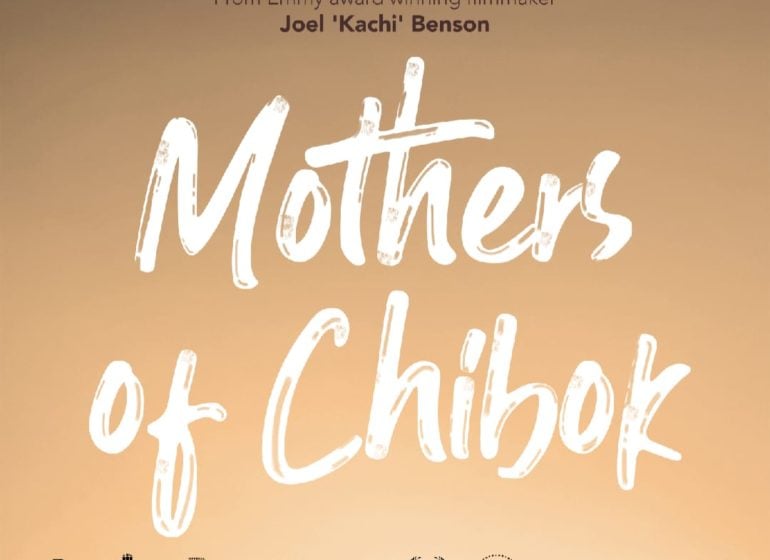
However, Mothers of Chibok avoids sensationalising the tragedy. Instead, it presents an intimate portrayal of daily life in a region still living under the shadow of terrorism.
Authentic Casting and Performances
One of the film’s most striking elements is its use of relatively unknown actors. Unlike many Nollywood productions that rely on well-known faces, the filmmakers opted for performers whose appearances and demeanour resemble those of the women living in these communities.
This decision greatly enhances the film’s realism. The actresses portraying Lydia, Miriam, Yana, and Aisha deliver deeply convincing performances. Their expressions often communicate far more than words ever could.
Moments of quiet grief, anxiety, and resilience unfold naturally on screen. In several scenes, a simple look or gesture captures the emotional weight of their experiences.
Their portrayals make it easy for viewers to connect with the characters and understand the emotional toll that terrorism has inflicted on families in the region.
Strength in Community
Despite the overwhelming grief depicted throughout the story, the film also highlights the solidarity among the mothers. They lean on each other during moments of despair, offering comfort when painful reminders of their daughters’ absence surface.
One particularly moving aspect of the narrative is the way the women continue to prioritize education for their children. Even after the kidnapping of their daughters, they still encourage the younger ones to attend school.
This quiet defiance sends a powerful message: terror will not dictate the future of their community.
Another poignant element appears when the mothers learn of their daughters’ abduction. Instead of descending entirely into hopelessness, they support one another through prayer, conversation, and shared grief.
These moments illustrate how community bonds can help individuals endure unimaginable hardship.
The Emotional Weight of Uncertainty
A recurring theme in the film is the psychological burden of not knowing. For many families affected by the Chibok abduction, closure has never arrived.
Some daughters were rescued years later. Others remain missing. And in many cases, parents do not know whether their children are alive or dead.
The film invites viewers to imagine life under such circumstances.
How does a mother move forward when every object in her home reminds her of a missing child?
How does a community rebuild itself when memories of terror are still fresh?
One of the most heartbreaking scenarios portrayed involves girls who returned from captivity with children conceived through sexual violence. These complex realities add layers to the film’s exploration of trauma, survival, and acceptance.
Cinematography That Brings the Story to Life
Beyond its emotional storytelling, the film also impresses with its visual presentation.
The cinematography beautifully captures the landscape of northern Nigeria. Sweeping drone shots of villages, farmland, and open terrain create a powerful contrast between the region’s natural beauty and the violence that has plagued it.
These wide aerial shots often serve as transitions between scenes, providing moments for reflection.
At times, the camera positions viewers so closely to the characters that it feels as though they are standing beside them.
Even silence becomes a storytelling tool. In several scenes, the absence of dialogue heightens tension, leaving audiences anxiously waiting for what might happen next.
This deliberate pacing enhances the film’s emotional impact.
A Story Worth Sharing
Ultimately, Mothers of Chibok is not just a film about tragedy. It is a story about perseverance.
While the narrative confronts viewers with the painful realities of terrorism, it also shows the strength of people who refuse to be defined by fear.
The mothers laugh, share moments of joy, and continue building their lives despite their losses. These glimpses of normalcy remind audiences that even in the darkest circumstances, hope can survive.
The film also serves as an important educational tool. Screenings on university campuses and among younger audiences — particularly in regions far removed from the conflict — could help broaden understanding of the human consequences of extremism.
For many viewers, the story may be a sobering reminder that while the headlines may fade, the pain experienced by affected families continues.
Final Verdict
Mothers of Chibok succeeds in presenting a deeply human perspective on a national tragedy.
Its authentic performances, thoughtful cinematography, and emotionally rich storytelling make it a compelling and necessary watch.
Rather than focusing solely on violence, the film highlights resilience, motherhood, and the enduring power of hope.