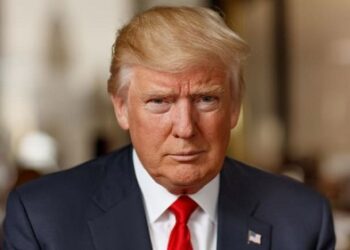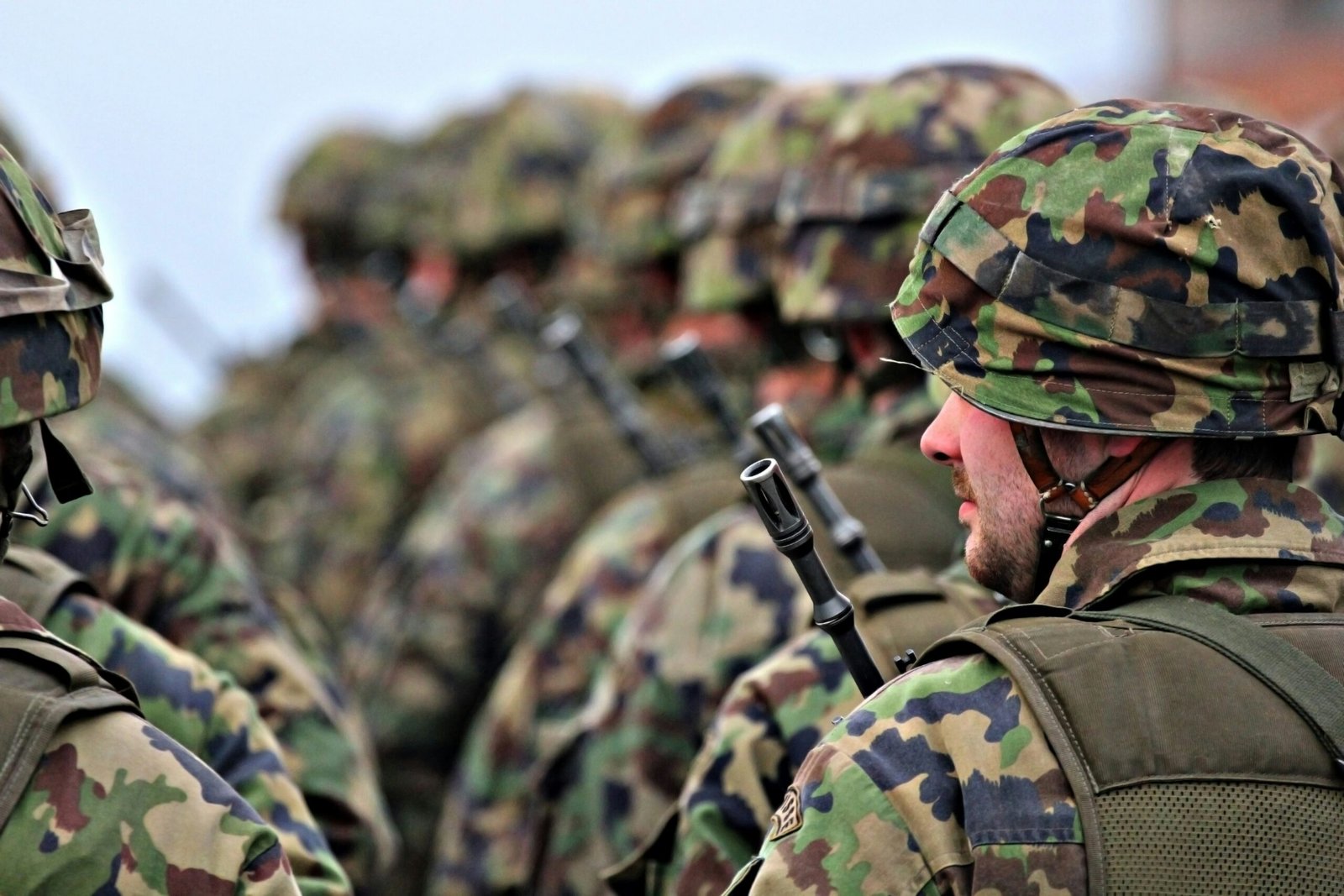

The transatlantic alliance is scrambling for answers after President Donald Trump blindsided allies with an order to withdraw 5,000 U.S. troops from German soil. The move, which NATO officials are calling “unilateral,” has left the leadership in Brussels in the awkward position of having to “understand the details” of a decision they weren’t consulted on.
While the German government is officially calling the move “anticipated,” the reality on the ground is much more tense. The withdrawal is a direct consequence of a personal and political feud between Trump and German Chancellor Friedrich Merz, who recently claimed the U.S. was being “humiliated” by Iran.
The 5% Ultimatum
The withdrawal acts as a stark reminder of the “America First” shift in global security. NATO spokesperson Allison Hart noted that while European allies have made progress by aiming for a 5% GDP investment in defense, a massive jump from previous years, Trump’s patience has clearly run out.
The Pentagon plans to pull an Army brigade combat team and cancel the deployment of a long-range artillery battalion. The removal is expected to be completed within six to twelve months.

This action may put Trump on a collision course with the U.S. Congress, which previously stipulated that troop strength in Europe should not drop below 76,000.
The Iran War Squeeze
Perhaps more concerning for European capitals than the troop numbers is the diversion of arms. Reports indicate that the Trump administration has warned allies, including the UK, Poland, and the Baltics, to expect significant delays in U.S. weapons deliveries. The Pentagon is currently prioritizing the replenishment of stockpiles being drained by the ongoing Iran War.
To drive the point home, the State Department just approved over $8.6 billion in military sales to Middle Eastern allies like Qatar and the UAE, leaving European partners at the back of the line.
Is Merz Right to Stand His Ground?
Friedrich Merz is trying to lead a Europe that is more independent, but you can’t talk about “U.S. humiliation” while simultaneously relying on 40,000 American troops to keep Vladimir Putin at bay. It’s a massive contradiction.
Trump, on the other hand, is treating a 70-year alliance like a bad lease agreement. Pulling troops during the Iran War because your feelings were hurt by a German magazine interview is incredibly petty, even for him. However, he has a point about the money. If Europe wants to dictate how wars are run, like Merz demanding a UN mandate for minesweepers in the Strait of Hormuz, they need to be the ones paying for the hardware.
The real danger here is the “wrong signal” being sent to Russia. If Putin sees the U.S. and Germany bickering like children over 5,000 troops, he’s going to realize that the “united” front is anything but.